Complete Guide to LPG LOT System Maintenance and Care
ProgasTech / 23 May 2026
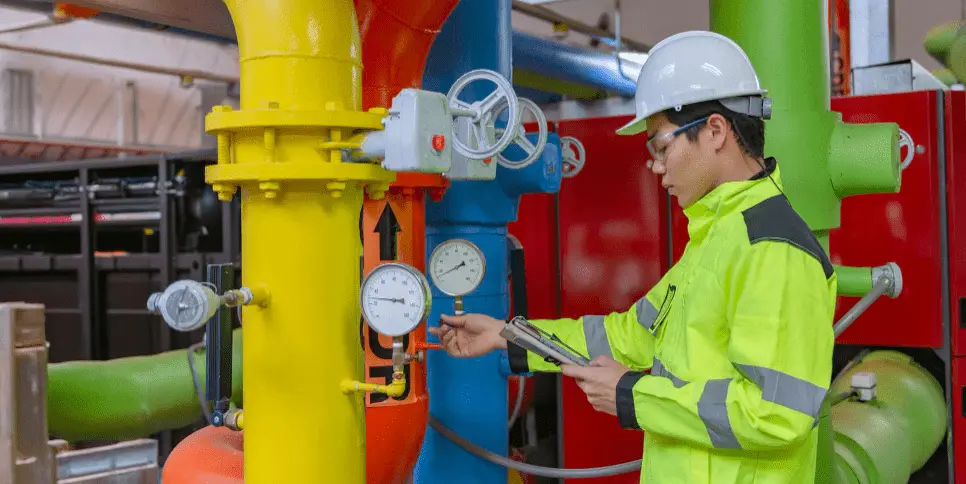
LPG LOT systems are widely used in apartments, hotels, hospitals, commercial kitchens, and industrial facilities because they provide a centralized and convenient gas supply for multiple users. While these systems are dependable when installed properly, regular maintenance and timely care are important for safe and efficient long-term operation.
Many property owners pay attention to installation but often overlook system maintenance after daily usage begins. Over time, pipelines, regulators, valves, and storage units may experience wear and tear due to continuous operation and environmental exposure. If small issues are ignored, they can eventually lead to gas leakage, pressure imbalance, supply interruptions, or costly repairs.
This guide covers LPG LOT system maintenance, common operational issues, important safety practices, and the role of professional servicing in improving system performance and lifespan.
Understanding an LPG LOT System
AMC stands for Annual Maintenance Contract. It is a simple agreement between you and a service provider.Under this contract, the provider takes care of your system for a fixed period, usually one year.
Instead of calling for help only when something breaks, AMC gives you regular checks, basic repairs, and support whenever needed. It is like having someone who looks after your system all year round so you don’t have to worry about sudden problems.
What is an LPG LOT System?
An LPG LOT system, also called a centralized LPG gas system, stores LPG cylinders or tanks in a dedicated outdoor location and distributes gas through pipelines to multiple connection points. These systems are commonly used in large residential and commercial properties where individual cylinder handling becomes difficult.
A typical LPG LOT system includes:
- LPG cylinder bank or storage tanks
- Pressure regulators
- Copper or GI pipelines
- Isolation valves
- Leak detection systems
- Pressure gauges
- Emergency shut-off systems
Since all these components work together continuously, regular inspection and servicing help maintain smooth gas flow and safe operation.
Why LPG LOT System Maintenance Matters
Many people assume that once an LPG system is installed, it can function without much attention for years. In reality, LPG systems require periodic maintenance because even minor faults can create serious safety concerns.
Proper maintenance helps in:
Preventing gas leakage
Maintaining proper gas pressure
Improving system lifespan
Reducing operational interruptions
Supporting safety compliance
Important Areas That Need Regular Inspection
LPG Cylinders or Storage Tanks
The cylinder bank or storage area should always remain clean, ventilated, and free from combustible materials. Cylinders must be checked for corrosion, physical damage, and proper valve condition.
Storage areas should never become cluttered with unused items because blocked ventilation increases risk during leakage situations.
Pressure Regulators
Regulators control gas pressure before it enters the pipeline system. Faulty regulators may cause low flame, pressure fluctuations, or excessive gas flow.
Signs of regulator problems include:
- Irregular flame patterns
- Hissing sounds
- Sudden pressure drops
- Gas smell near regulator connections
Professional inspection helps identify whether the regulator needs repair or replacement.
Gas Pipelines
Pipelines are one of the most critical parts of an LPG LOT system. Over time, moisture, environmental conditions, or accidental impact may affect the pipeline condition.
Maintenance teams usually check for:
- Corrosion
- Loose joints
- Physical damage
- Rust formation
- Pressure drops
Periodic leak testing also helps confirm that the pipeline network is functioning properly.
Valves and Fittings
Isolation valves and fittings should operate smoothly without stiffness or leakage. Damaged valves may fail during emergencies, which can increase safety risks.
Technicians often lubricate or replace worn-out fittings during servicing to maintain proper functionality.
Leak Detection Systems
Properties using advanced LPG systems often install gas leak detectors and alarm systems. These devices should be tested regularly to confirm they respond correctly during leakage situations.
A non-functioning detector may fail to alert occupants during emergencies.
Common LPG LOT System Problems
Even well-installed systems can face issues after years of usage. Some common problems include:
- Gas smell near the pipeline
- Low gas pressure
- Flame turning yellow
- Corrosion in outdoor components
- Regulator freezing
Best Practices for LPG LOT System Care
Schedule Periodic Professional Maintenance
Professional servicing should be carried out at regular intervals depending on system usage and property size. Technicians use specialized tools to check pressure levels, detect leaks, and inspect critical components.
Keep the Storage Area Ventilated
Good ventilation helps disperse gas quickly if accidental leakage occurs. Never block airflow around LPG cylinder banks.
Train Staff or Residents
People using the system should know:
- Basic gas safety practices
- Emergency shut-off procedures
- How to identify gas leakage signs
- Emergency contact details
Awareness reduces panic and improves response during emergencies.
Avoid Unauthorized Repairs
Untrained handling of LPG systems can create serious hazards. Repairs and modifications should always be carried out by qualified professionals.
Monitor Gas Consumption Patterns
Sudden increases in gas consumption may indicate leakage or pressure issues. Tracking usage patterns helps identify hidden problems early.
Safety Tips During LPG Emergencies
Preventing Gas Leakage: Gas leaks may occur due to loose fittings, damaged pipelines, worn-out rubber parts, or faulty regulators. Regular inspections help identify these problems early and reduce the chances of serious safety risks.
Maintaining Proper Gas Pressure: Stable gas pressure is important for smooth appliance performance and efficient fuel usage. Proper maintenance helps avoid uneven flame, low pressure, or interruptions in gas supply.
Improving System Lifespan: Continuous servicing helps protect pipelines, valves, and regulators from excessive wear and damage. This reduces the need for frequent replacements and helps the system operate efficiently for many years.
Reducing Operational Interruptions: Unexpected gas supply issues can affect apartments, hotels, hospitals, and commercial kitchens. Routine maintenance helps detect small faults before they lead to major breakdowns or supply failures.
Supporting Safety Compliance: Commercial and industrial LPG systems are expected to follow safety regulations and inspection standards. Periodic maintenance helps property owners maintain proper safety practices and operational compliance.
Conclusion
LPG LOT systems provide a practical and organized gas supply solution for residential, commercial, and industrial properties. However, their long-term performance depends heavily on regular maintenance and proper care. From checking pipelines and regulators to monitoring leak detection systems, every part of the setup requires periodic attention to keep operations safe and efficient.
Ignoring minor issues may eventually lead to leakage risks, pressure imbalance, or costly repairs. With professional inspections, timely servicing, and good safety practices, property owners can improve system reliability and extend the life of their LPG infrastructure while creating a safer environment for everyone using it.
Looking for reliable LPG LOT system installation, servicing, or maintenance support? ProGas Tech provides professional LPG pipeline solutions, safety inspections, and long-term maintenance services for residential, commercial, and industrial properties.