Digital Transformation in LOT Gas Pipelines: IoT, AI & Predictive Maintenance
ProgasTech / 27 Jan 2026
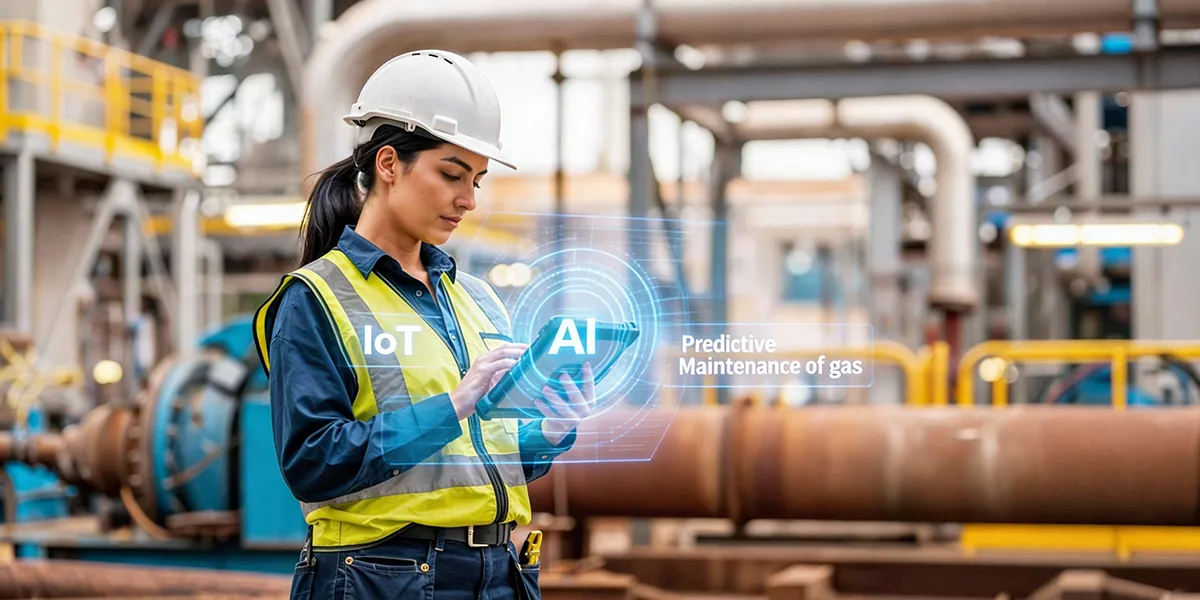
Safety has always been the foundation of LPG gas pipeline systems. Traditionally, these pipelines relied on scheduled maintenance, physical inspections, and direct supervision. Although effective in the past, this model leaves little room for early warnings or real-time insights, especially in expanding LOT gas pipeline networks.
Today, the industry is adopting smarter methods to manage growing pipeline networks. Digital transformation in LPG gas pipelines helps teams track system conditions continuously and respond before small issues turn serious. This change is no longer optional for companies responsible for designing and maintaining safe gas systems.
Here, we discuss how digital technology is shaping LPG gas pipelines and why it matters for safe and efficient gas operations.
Why LPG Gas Pipelines Need Digital Transformation
Gas pipeline systems operate under constant pressure, where even a small issue can develop into a serious safety concern if it is not identified early. In many traditional LPG installations, system reliability depends on scheduled inspections, manual checks, and on-site supervision. While this approach has worked for years, it can leave gaps when conditions change between inspections. Delayed checks or missed warning signs may lead to gas loss, service disruption, or safety risks.
At ProGas Tech, this challenge is seen across residential, commercial, and industrial LPG projects. Digital transformation helps address these gaps by allowing continuous monitoring of LPG gas pipelines. Instead of relying only on periodic checks, system behaviour is tracked in real time, supporting quicker and more informed decisions based on actual operating data.
As we deliver LPG systems for apartments, hotels, hospitals, and commercial kitchens, smarter monitoring helps us manage larger networks, maintain safety compliance, and keep gas supply stable and controlled.
IoT in LPG Gas Pipelines
IoT in LPG gas pipelines is transforming how gas systems are monitored and managed. Small sensors are installed at key points throughout the pipeline network. These sensors continuously track pressure, flow, and temperature, sending real-time data to monitoring systems. Engineers no longer have to wait for complaints or routine inspections to identify issues. Any sudden drop in pressure or unusual change in flow triggers immediate alerts, allowing the team to act quickly.
This continuous visibility helps reduce gas loss, prevent interruptions, and improve safety. For residential complexes, hotels, hospitals, and commercial kitchens, it also provides insights into usage patterns, helping owners plan efficiently and control waste.
Over time, IoT monitoring supports smoother daily operations, reliable gas supply, and smarter management of large-scale LPG networks.
AI in Gas Pipeline Management
AI in gas pipeline management supports better decision-making by studying large volumes of operating data. It reviews past patterns and compares them with current conditions.
Instead of reacting to problems after they occur, teams can act early. AI helps highlight unusual behaviour in pipelines that may not be visible during manual checks. This allows engineers to focus on areas that truly need attention.
It also supports system planning. Pressure balancing, load control, and maintenance timing become more accurate. This reduces guesswork and improves system reliability across different operating conditions.
Predictive Maintenance for Gas Pipelines
Predictive maintenance for gas pipelines focuses on identifying potential issues before they become serious problems. Digital monitoring tools track the performance of valves, regulators, joints, and other pipeline components over time.
When the system detects early signs of wear or unusual behaviour, it alerts maintenance teams so they can take action before a failure occurs. This proactive approach prevents emergency repairs, reduces the risk of sudden shutdowns, and keeps gas supply steady for users who rely on uninterrupted service.
In addition, predictive maintenance lowers long-term repair costs, extends the lifespan of pipeline components, and reduces operational stress, helping teams maintain safe and reliable gas systems.
Smart Gas Pipeline Systems in Modern Projects
Smart gas pipeline systems bring monitoring, analysis, and control together in a single connected setup. They provide automated alerts, remote supervision, and detailed records of system performance.
For large residential, commercial, industrial, and LOT gas pipeline projects, these systems help maintain consistent operations across multiple sites. Engineers can monitor pipelines without being on-site, saving time and effort.
Smart systems also simplify safety audits and compliance checks by keeping clear records of inspections, maintenance, and system behaviour, making it easier to meet safety standards and maintain a reliable, efficient gas supply.
Digital Gas Pipeline Monitoring for Safer Operations
With digital gas pipeline monitoring, pipelines can be supervised around the clock. Rather than waiting for routine checks, systems continuously collect and analyse data. Sudden drops in pressure or unexpected changes trigger instant alerts, so teams can act without delay.
Certain setups can even activate automatic safety measures in critical situations. Regular data collection also creates a clear history of system performance, helping teams plan maintenance, improve reliability, and reduce operational risks
. This approach ensures safer pipeline operations, faster response during emergencies, and a more dependable gas supply for homes, businesses, and industrial facilities.
Early Gas Leak Detection Using AI Technology
AI-based gas leak detection helps identify leaks at an early stage by observing pressure shifts and flow changes. Even small leaks that may not be noticed during routine inspections can be detected through pattern analysis.
Early detection reduces safety risks and limits gas loss. It also protects property and people from serious incidents. For operators, it brings peace of mind and stronger control over system safety.
Role of ProGas Tech in This Transformation
ProGas Tech understands the real challenges of LPG gas systems because they work directly with them every day. Their experience in designing, installing, and maintaining piped gas systems helps them adopt digital tools in a practical way.
By combining strong engineering practices with modern monitoring methods, ProGas Tech supports safer and more reliable gas infrastructure. Their focus remains on building systems that are easy to manage, safe to operate, and ready for future needs.
Conclusion
Digital transformation is changing the way LPG gas pipelines are monitored, maintained, and managed. Real-time monitoring and early detection of issues improve safety, reduce downtime, and help pipelines operate more efficiently. As systems grow in size and complexity, adopting smart technology becomes vital for reliable operations.
Upgrade your LPG pipeline system with reliable, practical solutions. Connect with ProGas today to make your gas operations safer and smoother.