Gas Leak Detection: Methods, Technologies, and Best Practices for Commercial Buildings
ProgasTech / 20 Jan 2026
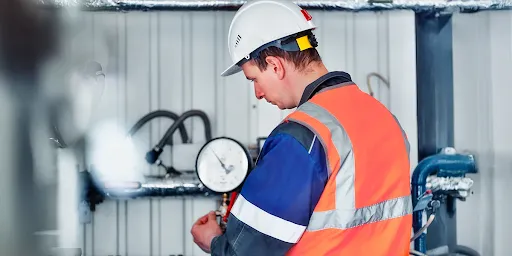
Every household and industry uses gas for various operations, ranging from cooking to labs and heavy-industrial applications. But there is also increasing safety concerns related to gas leaks and similar accidents. Whether it is apartments or manufacturing plants, undetected gas leaks and unmonitored gas usage can lead to severe damages, harming both the lives of people and damaging the valuable assets. But thanks to innovations in the LPG industry, consumers can now use a smart gas detection technology that follows the global safety standards to prevent any kind of risks or accidents. But what exactly are these gas detection systems, and how do they help in increasing the safety standards in both residential and commercial premises? If you’re wondering the same, then this blog is for you. Keep reading to learn more about smart technologies that can detect gas and prevent large-scale damage.
What Is Gas Leak Detection?
Gas leak detection refers to identifying the presence of hazardous gases that have leaked from pipelines, storage tanks, or appliances. As these types of gases are odorless and colorless, they can easily reach dangerous levels if left unchecked.
Gas leak detection systems come with built-in specialized sensors and technologies that help monitor air quality and alert the building inhabitants or facility managers to take immediate action. This helps in quick and timely risk management.
Why Gas Leak Detection Is Essential for Commercial Gas Pipelines
Gas pipelines especially in commercial spaces such as kitchens, utility areas, boiler rooms, etc, are generally out of sight and easy to forget. This raises the risk of potential leaks, which can become a serious safety hazard.
With reliable gas leak detection systems, it becomes easier to detect problems beforehand, which helps prevent fires, health hazards, or even shutdowns that cost high.
Common Causes of Gas Leaks in Commercial and Industrial Pipelines
Below are some of the common reasons for gas leaks in commercial and industrial pipelines:
Mechanical damage: Gas pipelines can be easily damaged during renovations, constructions, or even in routine maintenance works.
Lack of regular maintenance: Lack of everyday checks can cause even the most minor issues to be left unnoticed, which can worsen over time. Such missed inspections often contribute to leaks and deadly hazards.
Environmental stressors: These include temperature changes, ground movement, and so on can impact pipeline strength. This can loosen the fittings, leading to leakage later on.
Poor installation or loose connections: Improperly installed pipelines, loose fittings, or low-quality seals can result in the gas escaping from the connection points.
Pressure fluctuations: Changes in operating pressure are another crucial factor contributing to gas leaks. Such repeated variations can increase the risk of seal failures, cause cracks, and ultimately leaks.
Weakened pipelines: Metal pipelines can often weaken due to corrosion, chemical reactions, and moisture exposure. This can result in cracks, pinhole leaks, which are very difficult to detect.
Types of Gas Leak Detection Methods
Below are some of the common gas leak detection methods:
Fixed gas detection systems: These come with permanently installed sensors that are placed near valves, pipelines, and other risky areas. They help in continuous monitoring. When gas levels exceed the limit, they send out alarms or automated responses for immediate addressal.
Portable gas detectors: These are handheld devices that are used to check high alert areas or investigate any suspected leaks. They are commonly used in routine inspections and confined space monitoring.
Ultrasonic gas leak detection: This is used to detect the high-frequency sounds that are produced by pressurized gas released in leaks. Thus, they are highly beneficial in noisy industrial areas to identify leaks on time.
Infrared (IR) gas detection: These sensors identify gas leaks with the use of infrared light and detecting how gases absorb it. It is widely used for large areas as it does not require direct contact during detection.
Soap solution: A soap or bubble solution is often applied to the joints and fittings of the pipelines to see or identify the leaks via bubble formation. This is mostly suitable for smaller pipeline systems and is highly affordable.
Pressure decay and flow monitoring: This technique involves monitoring the sudden drops in pressure or changes in gas flow. It helps measure or assess the functioning of gas pipeline systems during testing.
How Gas Leak Detection Systems Work
Gas leak detection systems work by continuously checking the air around the gas pipelines and equipment to ensure that there are no leaks. The detection sensors are placed in areas where the leaks are most likely to occur. These include areas near valves, joints, burners, and other enclosed spaces.
Thus, whenever there is a leakage, these sensors identify the changes in gas concentrations or sounds, comparing them with the safe levels to determine whether the leakage is hazardous. So, if the levels are above the safe limits, the system sends out immediate alarms to alert the building occupants or facility managers. In most commercial setups, the system automatically shuts off the gas supply and starts ventilation.
Latest Technologies in Gas Leak Detection
Gas leak detection techniques are now driven by smarter technologies such as better sensors, improved connections, and advanced data tools.
Here are some of the popular advancements in modern gas detection that enable commercial sites to spot leaks early on, reduce manual effort, and contribute to overall safety and efficiency.
Smart gas sensors
Provide continuous monitoring of gas levels and help detect even minor leaks. Highly accurate and reduces false alarms.
Data analytics and reporting tools
They analyze the detected data to identify the patterns and recurring issues, which helps in maintenance.
IoT-enabled gas detection systems
Here, the gas detectors are connected to a centralized dashboard or a mobile app for real-time monitoring.
Automated shut-off integration
This enables the gas pipeline systems to shut off automatically whenever a leak is detected.
Other types of modern-day gas leak detection tools include ultrasound gas detectors and infrared gas detectors.
Gas Leak Detection for Commercial Buildings and Industrial Facilities
Commercial buildings and industrial facilities are highly prone to fire hazards due to the large volume of gas used and people around, working or visiting. With reliable and accurate gas leak detection solutions, it becomes easier to keep property, people, and business operations safe at all times.
Commercial sites include large-scale facilities, restaurants, hospitals, offices, malls, and so on. By implementing gas leak detection systems, facility managers can track and monitor kitchens, boiler rooms, and utility areas where the gas equipment is used every day. The real-time monitoring and instant alerts help avoid accidents by acting on time.
The industrial gas leak detection systems are comparatively larger and function under high pressure. Here, the advanced gas leak systems help protect workers, prevent sudden shutdowns, and promote safe, uninterrupted operations every day.
Benefits of Installing a Gas Leak Detection System
Below are the various advantages that come with implementing a gas leak detection system:
Reduced damage
Early detection of leaks helps in timely fixes and prevents destruction to property and equipment.
Supports compliance
Gas leak detection systems allow constant monitoring, which is mandatory in most commercial and industrial spaces.
Reduces downtime
Timely alerts help prevent emergency shutdowns and disruptions to maintain smooth operations and productivity.
Relieves safety concerns
With continuous monitoring, facility managers can focus on operations without worrying about accidents.
Quick response to leaks
The detection system alerts users immediately whenever the gas levels exceed the safe limits.
Choosing the Right Gas Leak Detection System
The ideal gas pipeline leak detection system for your commercial space is based on a multitude of factors, which are as follows:
Identify the usage areas
This includes kitchen, boiler rooms, and utility areas, which are the spaces where the leaks are most likely to occur.
Ensure continuous monitoring
Gas leak detection systems with 24/7 monitoring provide quick and clear alarms to take action on time.
Safety integration
The gas leak system must be able to connect with the gas shut-off valves or ventilation systems to automatically control leaks.
System to gas
The gas system should accurately detect the specific gas in your building, such as natural gas or LPG.
Gas Leak Detection Best Practices
Proper sensor placement
The sensors must be installed in areas prone to high risk, such as utility spaces, boiler rooms, and kitchens.
Continuous system monitoring
The system must always be powered and monitored at all times, regardless of working hours.
Regular inspections and maintenance
Regular inspections and maintenance checks must be carried out as recommended by the system manufacturer.
Staff training
The staff must be well-trained to instantly recognize the alerts or alarms and take the necessary action immediately.
Routine detector testing
The detectors must be tested regularly for accurate performance to help avoid false alarms.
Gas Leak Detection Regulations and Safety Standards
In any commercial space, it is the responsibility of the building owner or facility manager to ensure that the gas leak detection system installed works in compliance with the safety protocols. These are designed to protect the people, place, and environment from life-altering consequences. Furthermore, it helps meet the fire and gas safety measures set by the local authorities.
With proper installation, maintenance, and safety inspections, the risk of penalties and shutdowns is also minimized. This is especially crucial for businesses where the safety of staff and visitors is an absolute necessity.
Conclusion
Implementing the right gas leak detection system is one of the most important aspects of keeping your commercial premises safe for the people in and around the area. By following the best practices and compliance with safety standards, one can effectively reduce downtime, prevent accidents, and ensure a safe and reliable environment for everyone.
Looking for customized gas leak detection solutions for your commercial space in Bangalore? Connect with ProGas Tech for expert support and ensure 24/7 safety of your buildings and operations!