Common Causes of Gas Leaks in Homes and How to Prevent Them
ProgasTech / 20 jul 2026
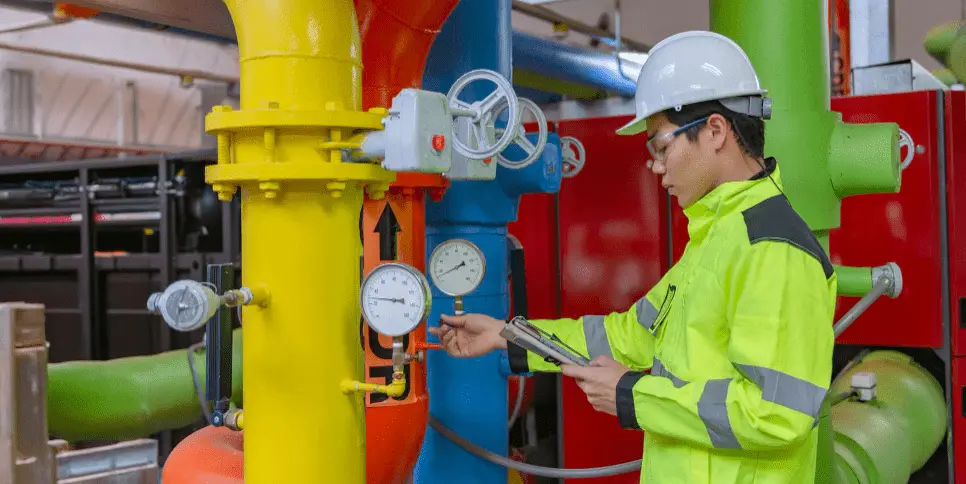
A gas leak is one of the most serious safety hazards that can occur in any household. Whether your home uses LPG cylinders or a piped gas system, even a small leak can put your family and property at risk. Gas leaks may develop gradually due to aging pipelines, damaged connections, poor installation, or everyday wear and tear.
If left unnoticed, they can lead to fires, explosions, or health issues caused by prolonged exposure to leaking gas. The good news is that many gas leaks can be prevented with regular maintenance, timely inspections, and safe usage practices. Understanding the causes and warning signs allows you to respond quickly before the situation becomes dangerous.
This blog explores the common causes of gas leak in home, warning signs to watch for, prevention tips, and the right actions to take during an emergency.
Why Gas Leaks Are More Dangerous Than You Think
Gas leaks are dangerous because they often develop without obvious signs. A leaking gas line can allow flammable gas to accumulate indoors, increasing the risk of explosions or fires. Inhaling leaking gas may also cause dizziness, headaches, nausea, or breathing difficulties, especially in poorly ventilated spaces.
The longer a leak goes unnoticed, the greater the danger. Taking preventive measures and responding quickly to suspected leaks can significantly reduce the risk of accidents.
Common Causes of Gas Leaks in Homes
1. Old or Damaged Gas Pipes
Gas pipelines naturally wear out over time. Corrosion, rust, cracks, or physical damage can weaken pipes and create small openings where gas escapes. Older homes with aging gas infrastructure are particularly vulnerable if inspections are not carried out regularly.
2. Faulty Appliance Connections
Gas stoves, ovens, water heaters, and other appliances rely on secure connections. Loose fittings, damaged hoses, or improper connections can gradually allow gas to leak. Regularly checking these connection points helps identify problems before they become serious.
3. Poor Installation Work
Improperly installed gas pipelines or appliances can create long-term safety hazards. Incorrect pipe fittings, poorly sealed joints, or failure to follow safety standards increase the chances of leaks developing over time. Professional installation plays a major role in maintaining a safe gas system.
4. Worn-Out Seals and Valves
Rubber seals, gaskets, and shut-off valves experience continuous use and naturally deteriorate with age. As these components weaken, they may fail to create airtight seals, allowing gas to escape slowly.
5. Natural Wear and Tear
Daily use of gas appliances causes gradual wear on internal components. Small issues may seem harmless at first but can eventually affect the overall integrity of the gas system. Routine servicing helps identify these problems before they become safety concerns.
6. Accidental Damage
Construction work, drilling into walls, home renovations, or moving heavy furniture can accidentally damage concealed gas pipelines. Before beginning any renovation project, it is important to know where gas lines are located to prevent accidental punctures.
How Do You Detect a Gas Leak in Your Home? (Warning Signs)
Recognizing the warning signs early can prevent serious accidents. If you are wondering how do you detect a gas leak in your home, watch for these common indicators:
A strong rotten egg or sulfur-like smell.
A hissing or whistling sound near gas pipes or appliances.
Dead or discolored vegetation around outdoor gas lines.
Unusually high gas bills without increased usage.
Physical symptoms such as headaches, dizziness, nausea, or fatigue.
Bubbles forming in standing water near underground outdoor pipelines.
Never ignore these warning signs, even if they appear minor.
How to Prevent Gas Leaks in Your Home
1. Install Gas Leak Detectors
Gas leak detectors continuously monitor indoor air and provide an early warning if gas is detected. Installing detectors near kitchens, utility rooms, and gas appliances adds an important layer of protection.
2. Check Appliance Connections Periodically
Inspect gas hoses, regulators, connectors, and fittings regularly. If you notice cracks, loose connections, or signs of wear, arrange for repairs immediately instead of continuing to use the appliance.
3. Avoid DIY Gas Line Work
Gas line installation and repairs require specialized knowledge and equipment. Attempting repairs without proper training can increase the risk of leaks and create unsafe conditions.
4. Ensure Proper Ventilation
Good ventilation reduces the buildup of gas if a minor leak occurs. Keep ventilation openings clear and never block exhaust vents connected to gas appliances.
5. Replace Old Appliances and Pipes Proactively
Older appliances and pipelines become less reliable over time. Replacing aging equipment before failure occurs is often more cost-effective than dealing with emergency repairs or safety incidents.
6. Be Cautious During Renovations
Before drilling, cutting walls, or excavating around your property, identify the location of gas lines. Inform contractors about existing gas connections to avoid accidental damage.
What to Do If You Suspect a Gas Leak
Even a small gas leak in home should be treated as a serious emergency. Follow these safety steps immediately:
Do not switch electrical devices on or off. Even a small electrical spark could ignite accumulated gas.
Evacuate everyone immediately. Leave the building calmly and move to a safe distance.
Avoid open flames. Do not light matches, candles, or use cigarette lighters.
Call emergency services from outside. Contact your gas supplier or emergency response team once you are safely away from the building.
Do not re-enter until professionals declare it safe. Only return after trained technicians have inspected and resolved the issue.
When to Call a Professional Gas Technician
Some gas-related issues cannot be safely handled without professional expertise. If you notice repeated gas odors, aging pipelines, damaged appliance connections, or suspect a leak, arrange for an inspection immediately. Qualified technicians use specialized equipment to identify leaks, assess pipeline conditions, and carry out safe repairs while following industry safety standards.
Conclusion
Gas leaks are preventable when homeowners stay alert, maintain their gas systems, and respond quickly to warning signs. Regular inspections, proper installation, routine maintenance, and safe operating practices greatly reduce the chances of accidents.
Understanding the common causes of leaks and knowing what actions to take during an emergency can protect both your family and your property. Staying proactive today can prevent dangerous situations in the future.
Protect your home with professional gas safety solutions from ProGas Tech. Our experienced team provides gas pipeline inspections, leak detection, maintenance, and safe installation services to help keep your property secure.