Hidden Risks of Replacing Piped Gas in Skyscrapers You Should Know
ProgasTech / 07 Feb 2026
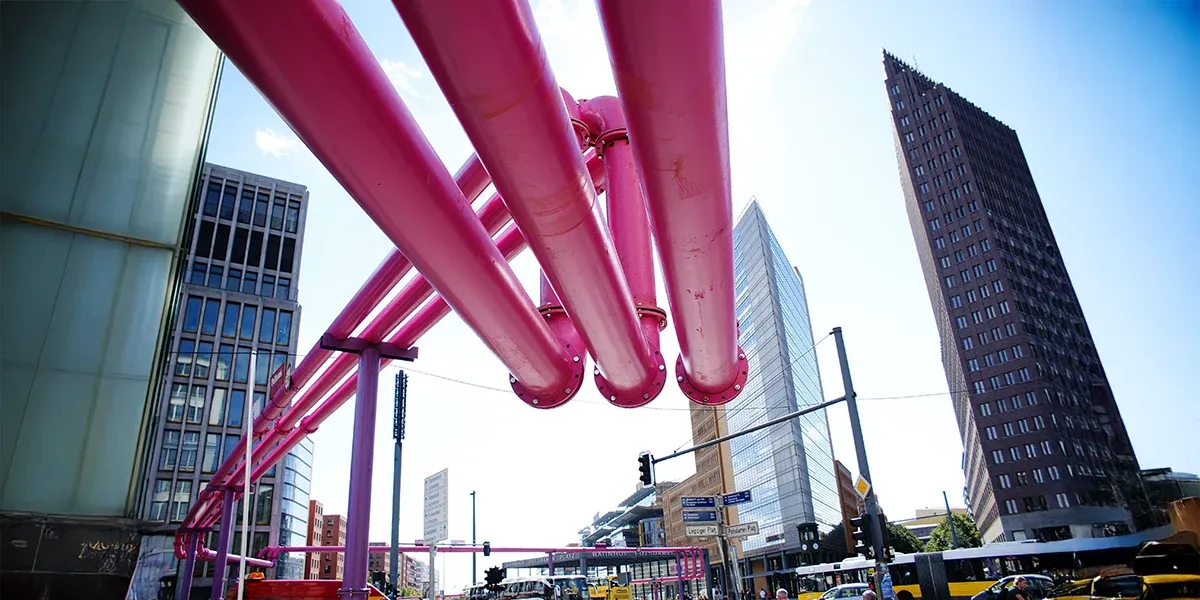
Replacing or upgrading piped gas systems in skyscrapers can seem like a smart move, whether for safety, efficiency, or compliance. Modern piped gas solutions promise cleaner energy delivery and convenience compared with older cylinder‑based systems.
However, beneath the surface benefits lie several important safety, technical, and regulatory risks that building owners and facility managers must understand before taking action. Ignoring these hidden dangers can lead to costly delays, dangerous gas leaks, structural damage, and even explosions if not properly planned and executed.
In high‑rise buildings, where thousands of residents or employees depend on an uninterrupted gas supply, even minor mistakes during replacement can have serious consequences. Understanding these risks promotes smarter, safer upgrades.
Complex System Integration Challenges
High‑rise buildings aren’t simple homes. They involve long vertical risers, multiple branches, and complex gas pressure management. Changing piped gas systems requires accurate calculation of pipe sizes, correct pressure settings, and careful planning to ensure consistent gas flow across all floors.
Failures in design can lead to unstable supply, low pressure on upper floors, or dangerous back‑pressure scenarios that increase the risk of leaks or incomplete combustion in appliances.
Hidden Structural and Environmental Risks
Gas pipelines in tall buildings are frequently routed through walls, ceilings, basements, and outdoor façades. These hidden paths expose pipes to temperature variations, moisture, and corrosion, especially when exposed to environmental conditions like heat or humidity changes.
Corroded or brittle sections are more likely to develop micro‑leaks over time, which can go undetected until they become dangerous. In addition, impact from construction work, vibrations, or accidental drilling can damage pipes concealed behind structural elements, creating gas pockets that ignite without warning if exposed to a spark
Regulatory Hurdles and Code Compliance
Replacing piped gas systems is not just a construction task; it is also a regulatory and legal process. Every city and state has specific safety codes governing residential and commercial gas supply systems.Failure to comply with these regulations can result in work stoppages, fines, or legal liabilities. Such issues can delay the project and expose property owners to serious risks, including potential lawsuits if an incident occurs.
Even minor documentation mismatches or unpermitted modifications can trigger enforcement actions before the gas supply is approved for use.
Furthermore, many jurisdictions require certified professionals to carry out installations, inspections, and tests before gas can be restored. Rushing or bypassing these steps to save time or cost is a major hidden risk.
Leak Detection Can Be Difficult, Yet Crucial
Gas leaks are the most serious unseen danger in any gas replacement project. LPG and natural gas are highly flammable, and escaping gas that collects in enclosed spaces or structural cavities can ignite violently if exposed to heat or sparks.
In tall buildings, leaks may occur far from where occupants can smell or notice them, especially if pipelines pass through service ducts or wall spaces. Detecting these leaks requires professional monitoring tools, not just relying on human senses.
Skipping thorough leak testing after installation can leave a ticking safety hazard waiting to explode when least expected.
Maintenance and Long-Term Integrity
Replacing a piped gas system is only the first step; maintaining it properly is just as vital. Corrosion, joint fatigue, temperature cycling, and valve malfunctions can degrade gas systems over time. Without scheduled professional inspections, minor issues can escalate into serious failures or disasters.
Unlike cylinder-based setups, piped systems are permanent and hidden, making routine checks essential. Neglecting them creates hidden risks that are expensive and difficult to correct once a problem goes unnoticed.
Emergency Access and Response Time
Modern skyscrapers must have clearly defined emergency procedures and access points for gas isolation in case of leaks or faults. During replacement work, fire department access, shutoff valves, and emergency shut-downs must be planned carefully to ensure help can reach any part of the system quickly.
Inadequate provision for emergency response is a significant safety risk and is often overlooked until it’s too late.
Cost Overruns and Operational Disruptions
Hidden risks can also translate into economic risks. Unexpected underground conditions, regulatory challenges, or the need for additional safety systems (like automated shut-off valves or multi-layer leak detection) can push costs far beyond initial estimates.
Long downtime during replacements can disrupt tenants’ operations, increase complaints, and reduce property value if not managed well.
Conclusion
Replacing piped gas systems in skyscrapers offers benefits, but it’s far from risk‑free. From technical complexities and hidden structural issues to stringent regulatory compliance and ongoing maintenance needs, every stage of the project must be handled with precision, expertise, and safety as the priority.
Overlooking any of these hidden risks can lead to dangerous gas leaks, legal challenges, and costly disruptions. A successful replacement anticipates issues before they arise and delivers a safe, reliable gas supply system that stands the test of time.
For expert piped gas replacement and maintenance in high‑rise buildings, trust ProGas Tech, professionals in safe, compliant LPG pipeline solutions. Contact us today for a risk‑free upgrade plan