How Does a Natural Gas Pipeline Work? Step-by-Step Process and Transport System
ProgasTech / 13 Feb 2026
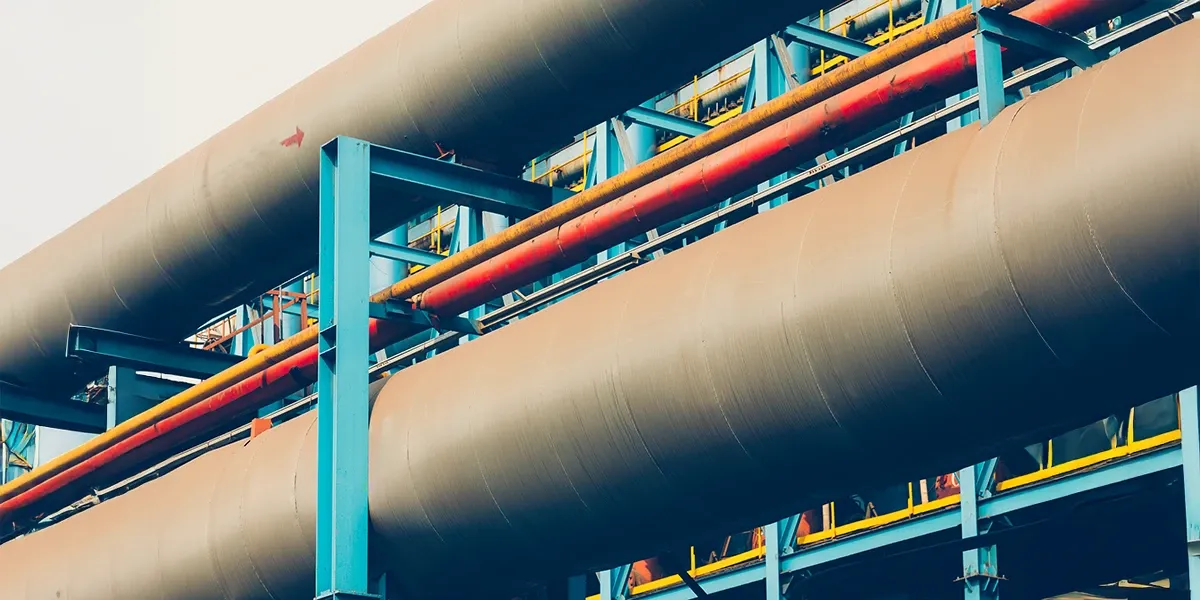
Natural gas powers millions of homes and industries around the world, but have you ever wondered how it travels from deep underground to your stove or heater? A natural gas pipeline system may seem simple on the surface, but it involves a series of carefully structured steps that move gas safely and efficiently over long distances.
In this blog, we’ll break down the journey of natural gas in a way that’s easy to understand, from the moment it’s extracted to the time it reaches your neighbourhood connection.
By the end, you’ll understand how this complex transport system quietly powers homes, businesses, and industries every single day.
1.Extraction: From Underground Reservoirs to Gathering Lines
The journey begins from deep underground, where natural gas is found in rock formations or as a by-product of oil extraction. Drilling rigs tap into these reservoirs and bring the raw natural gas to the surface.
At this early stage, the gas typically contains water, oil, and other impurities that must be removed before it can travel long distances. These raw gas flows into a network of small pipelines known as gathering lines, which collect gas from multiple wells and carry it toward processing facilities.
2.Processing: Making the Gas Pipeline-Ready
Once the gas reaches a processing plant, the real transformation begins. Natural gas straight from the ground isn’t pure enough for pipelines; it contains contaminants like water vapour, carbon dioxide, and heavier hydrocarbons that can disrupt flow or corrode pipes.
When this treatment is complete, what remains is high-quality methane, the main component of natural gas, that’s ready for long-distance transport.
In processing facilities, multiple steps occur:
- Separation of liquids: Gas, oil, and water are segregated.
- Removal of water and corrosive gases: Drying units and chemical treatments strip out moisture and unwanted compounds.
- Fractionation:Valuable components such as propane or butane are taken out for other uses.
3.Long-Distance Transport: High-Pressure Transmission Pipelines
After processing, the natural gas enters the transmission system, the backbone of pipeline transport. These are large, high-pressure pipelines that stretch across regions, connecting production areas with consumers far away.
To move gas efficiently, operators rely on compressor stations placed along the route. As the gas flows, friction and changes in terrain lower its pressure. Compressor stations increase gas pressure so that it continues to flow at a speed through the pipeline. These stations are spaced regularly, often every 50 to 100 miles, to sustain pressure and keep the gas moving.
The pressure in these major pipelines can range from several hundred to over a thousand pounds per square inch (psi). This high pressure shrinks the volume of gas, making it easier to push through hundreds or even thousands of kilometres of steel pipe.
4.Storage Facilities: Balancing Supply and Demand
Along the pipeline network, there are often storage facilities such as depleted oil fields or salt caverns. These act like giant banks for natural gas. In times of low demand (often during warmer months), excess gas is pumped into storage.
When demand spikes, like during cold weather, stored gas is withdrawn and sent back into the pipeline system to keep deliveries steady.
5.Distribution: Smaller Pipes to Your Home or Business
Once the gas has travelled through the main transmission lines, it reaches local distribution companies (LDCs). Here, the pressure is lowered at gate stations so the gas can safely enter the smaller network of piping that serves neighbourhoods, commercial properties, and factories.
These local pipelines are narrower and carry gas at lower pressure to your home, where it fuels everything from cooking stoves to water heaters.
6.Monitoring and Safety Systems
Throughout the entire network, modern pipelines are equipped with sensors, valves, and control systems. These monitor pressure, flow, and even detect leaks or irregularities.
If anything unusual happens, like sudden pressure drops, automated systems or operators can shut off sections of the pipeline to protect people and property. Safety is a top priority every step of the way.
7.What Happens Behind the Scenes
A natural gas pipeline system is a continuous and controlled movement of gas. This combination of engineering and technology makes pipeline transport one of the safest and most cost-effective ways to move energy over land.
Think of it like a highway for fuel:
- Gas moves from higher-pressure to lower-pressure areas.
- Compressor stations act like booster pumps, keeping the flow strong.
- Advanced monitoring helps operators know what’s happening in the network at all times.
Conclusion
From deep beneath the earth’s surface to the burner on your stove, natural gas travels through a finely tuned system of pipelines, compressors, storage facilities, and safety mechanisms. Each stage, extraction, processing, transmission, and distribution, plays an important role in delivering clean and reliable fuel.
By maintaining pressure, removing impurities, and carefully monitoring flow, pipeline operators make sure that millions of consumers get an uninterrupted gas supply. Next time you turn on your heater or cook a meal with natural gas, you’ll know the remarkable journey it took to get there.
Ready to explore professional gas pipeline solutions? ProGas Tech for expert reticulated LPG and gas system design, installation, and support, tailored for homes and businesses