How often should gas pipelines be inspected? a complete guide
ProgasTech / 26 Nov 2025
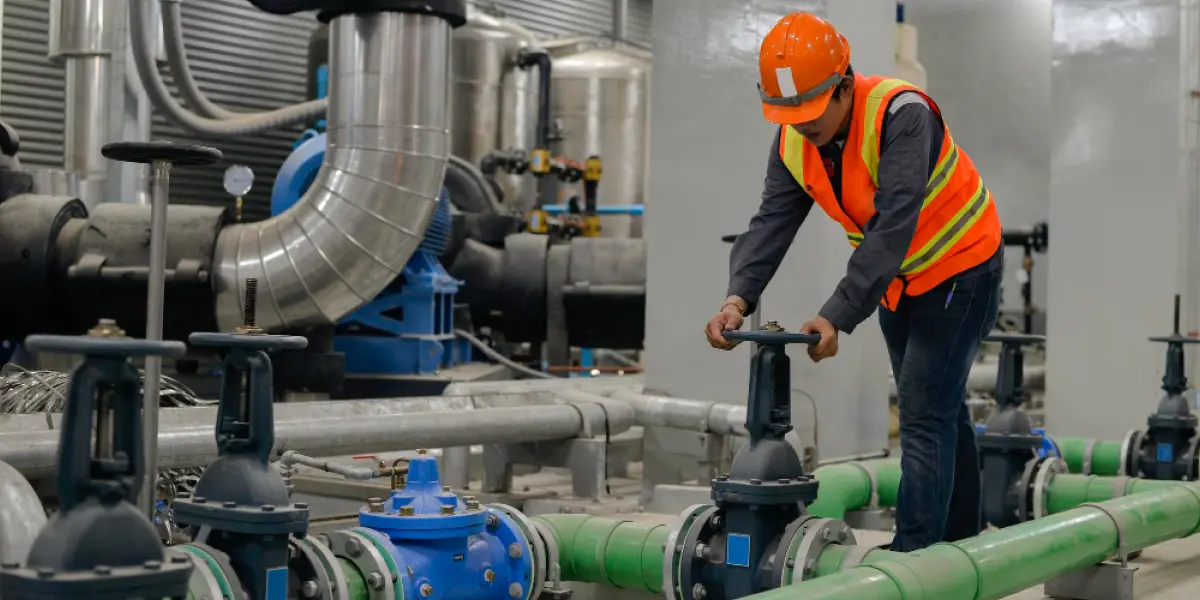
Getting your gas pipelines checked every year is one of the most important steps you can take to keep your space safe. Many people ignore this because everything seems fine, but hidden problems inside a gas line can grow quietly and turn dangerous.
A small leak can release carbon monoxide, a silent and deadly gas that you cannot see or smell. An inspection helps spot leaks, blockages, weak joints, and old appliances that may release harmful gases.
A trained professional checks every pipe, valve, and appliance to make sure the system burns clean and stays safe. Skipping this simple yearly check can lead to leaks, fires, or serious health risks, which is why this routine inspection should never be delayed.
In this blog, let’s look closer at how often gas pipelines should be inspected and why it matters.
Why regular gas pipeline inspection matters
Gas pipelines work every day, carrying fuel to stoves, heaters, and other appliances. With time, pipes can weaken, rust, or develop hairline cracks. These issues may not show early signs, but they can slowly build into a dangerous leak.
A regular inspection helps spot small problems before they cause trouble. This protects your home, saves money on repairs, and gives you peace of mind. For commercial places, regular checks also help avoid downtime and support smooth daily operations.
How frequently gas pipelines need inspection
Most experts recommend inspecting gas lines once every one to two years. This routine check keeps your pipeline strong, clean, and in good working condition.
However, the right timeline can change based on:
- Age of the property
- Weather conditions
- Type of soil around underground pipelines
- Gas usage levels
- Quality of appliances
When should you inspect more often?
Some gas pipelines face higher stress because of age, environment, or heavy usage. When these factors increase the chances of leaks or damage, scheduling more frequent inspections becomes essential to keep your home or business safe and compliant.
You may need quicker checks if :
- Your building is over 15 years old
- You have recently upgraded appliances
- You live in an area with heavy rain or extreme heat
- You run commercial kitchens or industrial equipment
- Your gas pressure is high
- Your gas pipes run underground
Signs you need an immediate gas line inspection
Gas issues can appear suddenly and turn dangerous if ignored. If you notice unusual smells, sounds, or appliance changes, acting quickly is essential to protect your home, business, and everyone inside.
Seek immediate inspection if you notice
- A strong smell like rotten eggs
- Hissing sounds around pipes
- Sudden rise in gas bills
- Weak or yellow flames on burners
- Dead grass or plants above underground pipelines
- Feeling dizzy or sleepy indoors without a reason
What happens during a gas pipeline inspection?
During an inspection, technicians carefully examine your entire gas system to ensure safety, spot early warning signs, and prevent leaks. Each step helps identify issues before they become dangerous, keeping your home or business fully protected.
The process includes:
- Checking all visible pipelines
- Looking for rust, cracks, or loose joints
- Testing pressure to find hidden leaks
- Examining valves and connectors
- Inspecting stoves, heaters, geysers, and dryers
- Checking ventilation and airflow around appliances
Common problems found during inspections
Routine gas inspections often reveal hidden issues that can compromise safety and efficiency. Identifying these problems early helps prevent leaks, reduce risks, and ensure your gas system continues running smoothly without unexpected breakdowns.
Common issues include:
- Blocked pipelines caused by debris
- Weak joints from long-term wear
- Rust from moisture
- Improper installation was done in the past
- Gas appliances that no longer burn clean
- Poor ventilation around heaters and stoves
Benefits of regular gas pipeline maintenance
- Better safety: Problems are found early.
- Lower repair costs: Small fixes are cheaper than major damage.
- Better appliance performance: Stoves and heaters work smoothly.
- Better appliance performance: Stoves and heaters work smoothly.
- Longer life of pipelines: Good care helps them last for years.
- Peace of mind: You feel safe knowing your place is protected.
Why choose ProGastech for gas pipeline inspection
Progastech brings experience, skill, and deep knowledge of gas systems. Our team studies the full layout, explains issues clearly, and guides you with the right solutions. Whether it is a home, hotel, restaurant, or industrial site, we handle the work with care.
Progastech uses proper tools, follows safe methods, and provides honest recommendations. This helps keep your pipeline strong, improves safety, and supports the long-term performance of your gas system.
Conclusion
Gas pipelines might look fine from the outside, but they require regular care to stay safe and reliable. Annual inspections help detect early leaks, blockages, loose fittings, and aging appliances that could release harmful gases.
By spotting problems early, these checks keep your place safe, improve system efficiency, and prevent costly repairs. A yearly inspection ensures a secure home and a smoothly functioning gas system.
Need reliable gas safety? Come to Progastech . Our team checks your gas lines, fixes issues, and helps you maintain a safe environment.