Liquid Off Take(LOT) in Gas Pipelines: Everything You Need to Know
ProgasTech / 27 Mar 2026
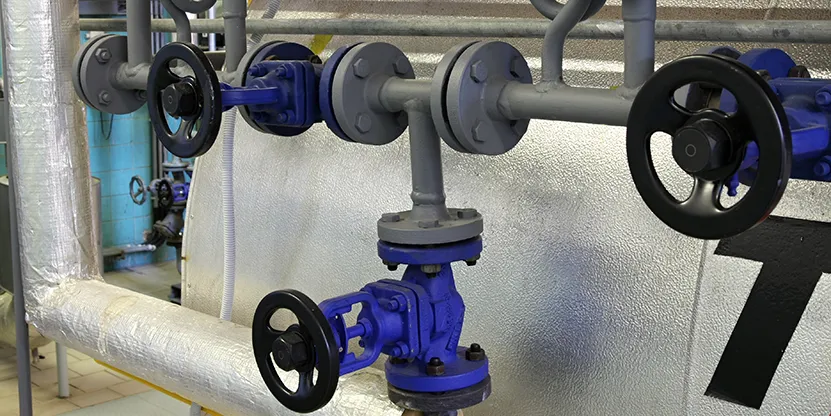
Gas pipelines are designed to transport clean, dry gas, but in reality, small amounts of liquid often travel along with it. These liquids can include water, hydrocarbons, or condensates formed due to temperature and pressure changes.
Over time, this buildup can affect pipeline performance and safety. That’s where the Liquid Off Take(LOT) System becomes important. It helps remove unwanted liquids and keeps the pipeline running efficiently. Many industry experts highlight that unmanaged liquid presence can lead to operational issues like blockages and equipment damage.
Understanding how LOT works and why it matters can help businesses maintain reliable gas distribution and avoid costly disruptions.
What is Liquid Off-Take in Gas Pipelines?
Liquid Off-Take in Gas Pipelines refers to the process of collecting and removing accumulated liquids from gas pipelines at specific points. These points are usually low sections where liquids naturally settle due to gravity.
In gas transport systems, the flow is not always purely gas. Studies show that pipelines often experience “two-phase flow,” where gas and liquid move together in different forms, such as droplets or layers.
LOT systems are designed to handle this situation by safely extracting the liquid without interrupting gas flow.
Liquids Formation in Gas Pipelines
Liquids in pipelines are quite common and can form due to:
Cooling of gas, leading to condensation
Presence of moisture or hydrocarbons
Pressure variations along the pipeline
Low flow velocity allows liquids to settle
When liquids are not removed, they can accumulate and form larger pockets or “slugs.” These slugs can disrupt operations and even damage downstream equipment.
This is why proper pipeline liquid management is a critical part of pipeline design and operation.
How Does a Liquid Off Take (LOT) System Work?
A LOT system is usually installed at strategic low points in a pipeline. Its working process is simple:
Liquids collect at designated low points
The LOT unit captures the accumulated liquid
The liquid is drained or diverted safely
Dry gas continues to flow through the pipeline
Many systems use separation principles similar to vapor-liquid separators, where gravity helps separate gas and liquid phases.
This process is a key part of gas-liquid separation, helping maintain consistent gas quality.
Importance of Condensate Removal in Pipelines
Proper condensate removal in pipelines plays a major role in maintaining system efficiency and safety. When liquids remain inside the pipeline, they can:
Reduce flow efficiency
Increase corrosion risk
Cause pressure fluctuations
Lead to inaccurate gas measurement
Industry data shows that liquid presence in gas systems can lead to fouling, contamination, and operational issues if not handled properly.
By removing condensate regularly, operators can avoid unexpected downtime and extend pipeline life.
Role in Pipeline Flow Assurance
Pipeline flow assurance focuses on keeping gas moving smoothly from source to destination without interruptions.
Liquids are one of the biggest challenges in achieving this. If not managed, they can:
Block sections of the pipeline
Trigger hydrate formation
Cause sudden pressure drops
Lead to operational shutdowns
Engineers use various techniques like LOT systems, pigging, and separators to manage these risks. Research also highlights that preventing liquid buildup is essential for maintaining steady pipeline performance.
LOT systems play a direct role in supporting flow assurance strategies.
Types of Liquid Off-Take Equipment
Different types of liquid off-take equipment are used depending on the pipeline design and requirements:
Drain pots or collection chambers
Knock-out drums
Slug catchers
Automated drainage systems
For example, slug catchers are used to handle large volumes of liquid that move through pipelines in batches.
The choice of equipment depends on factors like pipeline length, terrain, and gas composition.
Benefits of Using LOT Systems
Installing a LOT system offers several practical advantages:
Maintains steady gas flow
Reduces equipment wear and tear
Improves the safety of operations
Supports accurate gas measurement
Minimizes maintenance issues
Without proper liquid removal, pipelines may face frequent interruptions and higher operational costs.
Conclusion
Liquid accumulation in gas pipelines is a common yet serious issue that needs proper attention. A well-designed LOT system helps remove unwanted liquids, maintain steady gas flow, and protect pipeline infrastructure. From preventing blockages to improving overall efficiency, its role is essential in modern gas distribution systems.
As pipelines become more complex, managing liquid presence becomes even more important. Understanding how LOT systems work allows operators to make better decisions and maintain long-term reliability without unnecessary disruptions or performance issues.
Looking for reliable LPG pipeline solutions? ProGas Tech offers expert design, installation, and maintenance services to help you manage gas systems safely and efficiently with proven industry experience and support.