LPG supply crisis 2026: How reticulated gas systems are safer than cylinder delivery
ProgasTech / 28 Mar 2026
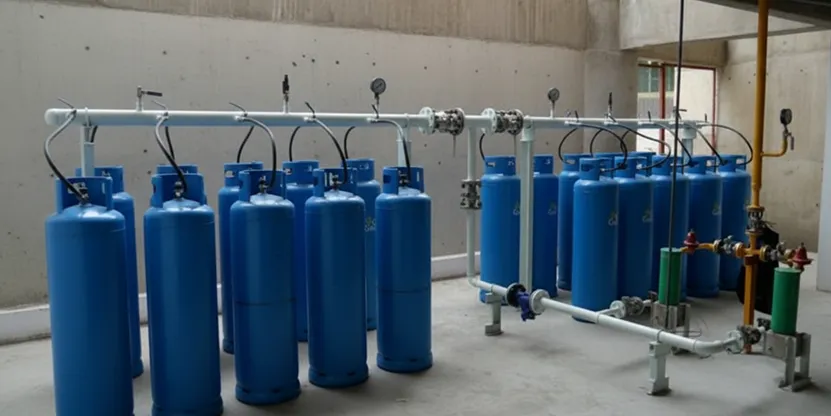
LPG supply in 2026 is no longer as reliable as before. Many people are facing delays, unexpected shortages, and the stress of not knowing when their next cylinder will arrive. For homes and businesses that depend on gas every day, this is more than just an inconvenience. It affects comfort, work, and safety. This situation has pushed people to look for better solutions. One solution that is quietly gaining attention is the reticulated gas system. It offers a steady flow of gas and reduces many common risks linked to cylinders.
In this blog, we will see how this system compares and why it is becoming a preferred choice.
Why the LPG Supply Crisis Is Getting Worse
The LPG system we use today depends a lot on delivery. Cylinders must travel from plants to homes. This sounds simple, but many things can go wrong. Transport delays are one big issue. Traffic, fuel costs, and route problems slow down delivery. Even a small delay can affect hundreds of homes.
Demand has also increased. More apartments, more restaurants, and more commercial kitchens mean more cylinders are needed every day. But supply has not grown at the same speed. There are also storage limits. Homes can only keep a few cylinders at a time. When supply is low, people start to panic and book more than they need. This creates a further shortage. All of this leads to one result: uncertainty, where you never know if your next cylinder will arrive on time.
The Hidden Risks of Cylinder Delivery
Most people think cylinders are safe if handled properly. That is true to some extent. But the system itself has risks. Each cylinder is moved many times. It is filled, loaded, transported, unloaded, and connected. Every step has a chance for damage or leaks.
Sometimes, regulators or pipes at home are not checked regularly. A small leak can go unnoticed. This can lead to serious accidents. There is also the risk during delivery. Cylinders are heavy. Mishandling can cause injury. In crowded areas, storing cylinders inside homes adds another level of danger.
During a shortage, people may use old or second-hand cylinders. This increases the risk even more. So, while cylinders work, they depend heavily on careful handling every single time.
What Is a Reticulated Gas System?
A reticulated gas system works in a simple way. Instead of sending cylinders to each home, gas is stored in a central place. From there, it is supplied through pipelines to different units. Think of it like a water supply system. You do not store water in drums anymore. It comes directly through pipes when you need it. Gas can work similarly.
There is a central gas bank. The gas moves through strong, tested pipes. Each home or unit has a controlled connection point. This setup reduces the need for cylinder delivery. It changes the system from “delivery-based” to "supply-based".
How Reticulated Gas Systems Improve Safety
Safety is one of the biggest reasons people choose this system.
Gas is handled in a controlled area with proper safety checks, pressure control, and spacing
Pipelines are fixed and not moved frequently, reducing damage and wear
Pressure is controlled at different stages to ensure safe gas delivery
Leak detection becomes easier. Since the system is connected, it is easier to monitor and find issues early. Also, homes do not need to store heavy cylinders inside. This removes a major risk. In simple terms, fewer moving parts mean fewer chances for something to go wrong.
Why It Solves the Supply Problem
The biggest advantage of a reticulated system is a steady supply. You do not have to wait for a delivery truck. Gas is already connected to your home. As long as the central storage is filled, supply continues. For apartments and large buildings, this is a big relief. One system can serve many homes without daily delivery stress.
Restaurants and commercial kitchens also benefit. They cannot afford to stop work because a cylinder did not arrive. With pipelines, they get a continuous flow. Even during high demand, the system is easier to manage. Refilling one central unit is faster than delivering hundreds of cylinders.
Cost, Convenience, and Daily Life
At first, many people feel this system might be expensive. But over time, it often turns out to be more practical and cost-friendly. There are no repeated delivery charges, and you don’t have to keep booking cylinders again and again. Life becomes much simpler. There’s no need to lift heavy cylinders or wait for delivery calls.
For families, this means less stress and more comfort. For businesses, it allows work to continue without breaks. It also keeps the space neat, with no storage issues or risk of damage caused by cylinders.
Is It Right for Everyone?
This system may not be the same fit for everyone, but it works very well in apartments, gated communities, and commercial spaces. For individual houses, it depends on whether the area has the right setup.
If the infrastructure is available, it can still be a good choice. Many builders are now adding this system to new projects because it improves daily comfort and adds value to the property. In older buildings, some changes may be needed, but once people understand the benefits, many are open to making the switch.
Conclusion
The current LPG supply situation has highlighted the limits of traditional cylinder delivery. Uncertain supply and safety risks are no longer easy to ignore. Reticulated gas systems present a more dependable approach. We offer a consistent supply, improved safety, and a more convenient daily experience. For modern homes and growing businesses, this shift is becoming a practical step forward.
Thinking about a better gas setup? Talk to ProGas Tech and find out how you can switch to a system that gives you steady supply and less daily stress.