Onshore vs Offshore Natural Gas Pipelines: Challenges Shaping the Energy Transition
ProgasTech / 05 Jan 2026
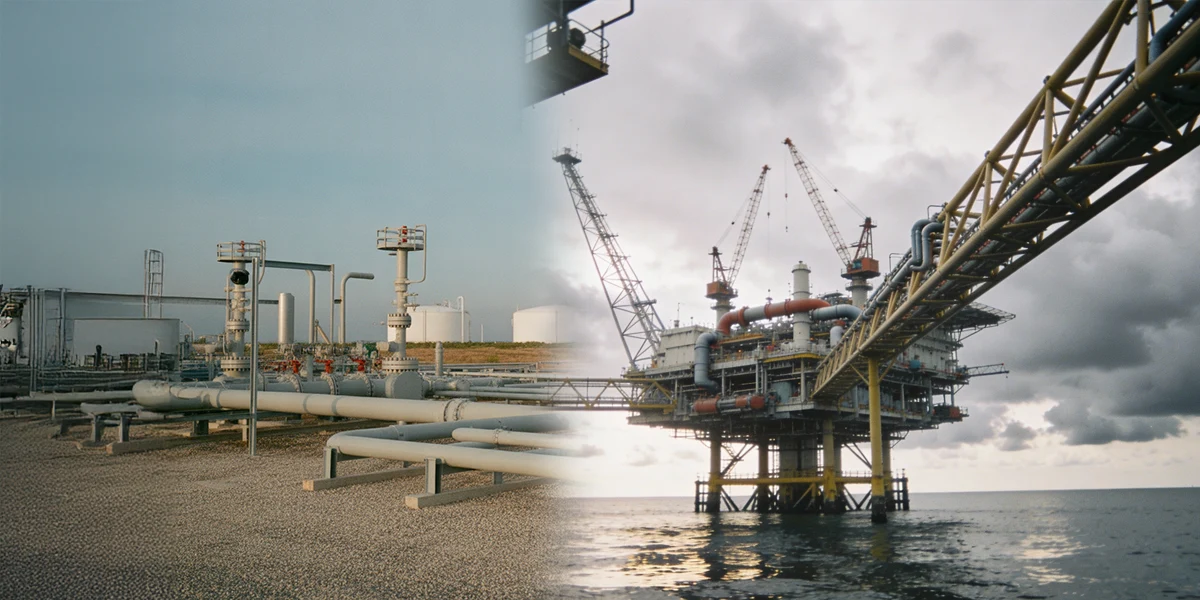
Natural gas pipelines are essential for delivering energy from production sites to end users. As countries shift toward cleaner fuel choices, these pipelines help balance energy needs and environmental care.
Pipelines built on land and beneath the sea are designed for different environments and face unique operational challenges.From land access to deep-sea conditions, building and running pipelines is never simple. Understanding these differences enables industries to plan more effectively and invest wisely.
In this blog, we explore onshore vs offshore natural gas pipelines, the challenges they face, and how each system supports a reliable energy supply during the transition to cleaner fuels.
Understanding onshore and offshore natural gas pipelines
Onshore natural gas pipelines run across land routes. They pass through populated areas, open land, and industrial zones. Their main role is to carry gas from fields to places where it is used.
Offshore natural gas pipelines lie on the seabed. They move gas from offshore reserves to shore-based plants. These pipelines support many coastal and offshore energy projects.
While both deliver natural gas, the challenges they face differ. By understanding these differences, Progastech helps clients plan, design, and operate pipelines that are safe, reliable, and tailored to their specific needs. This approach ensures efficient energy delivery and long-term project success.
Onshore Gas Pipeline Infrastructure: Key Challenges
Onshore gas pipeline infrastructure is easier to reach compared to offshore pipelines, but it still faces many challenges. Land access is one of the biggest issues. Pipelines often pass through private property, roads, and public spaces. Getting permissions can take a long time and needs proper planning.
Population growth adds another concern. Pipelines near residential areas must meet strict safety rules. Even a minor leak can create serious risks. Weather conditions also affect onshore pipelines. Floods, heavy rainfall, and soil shifts can weaken the pipeline base. Regular inspections and timely repairs help reduce damage.
Progastech addresses these challenges through careful planning, quality materials, and strong safety practices throughout the project lifecycle.
Offshore gas pipeline construction challenges
Offshore gas pipeline construction challenges are usually more demanding than land-based projects. All work takes place underwater. Visibility is poor, and water pressure is high. Strong sea currents can move pipelines even after they are installed.
Laying pipelines on the seabed needs special vessels and equipment. This adds to both cost and project time. Seabed conditions are not always stable. Mud, rocks, and uneven surfaces can damage pipelines if they are not handled with care.
Bad weather can stop work for long periods. Seasonal sea conditions must be planned. Progastech supports offshore pipeline projects through design assistance, inspection support, and practical technical guidance.
Natural gas pipeline challenges in safety and risk
Strong safety and risk control are essential for both onshore and offshore pipelines. These systems carry natural gas across long distances and often pass near residential zones and environmentally sensitive areas. Therefore, pipelines face risks such as leaks, corrosion, and physical damage that require constant monitoring and control.
On land, digging and road work can harm pipelines, while offshore, anchors and fishing equipment pose threats. Monitoring tools help detect pressure changes or gas loss early, reducing failure risks.
Regular inspections support safe operation. Clear and well-tested emergency plans allow teams to act quickly. Strong safety practices help prevent accidents and protect people, property, and the environment.
Offshore Pipeline Maintenance Issues
Offshore pipeline maintenance issues often demand high cost and careful planning. Repair work usually needs divers or underwater inspection equipment, which depend heavily on calm sea conditions
Limited weather windows can delay maintenance activities for long periods. Saltwater exposure increases corrosion, while marine growth adds extra load and stress on pipelines. Detecting small leaks underwater is more difficult than on land and requires advanced inspection tools.
Long-term maintenance planning helps control these challenges. Strong pipeline design, proper coating, and quality materials from the beginning reduce repair needs and improve offshore pipeline reliability over time.
Onshore Pipeline Maintenance Issues
Onshore pipeline maintenance is generally easier than offshore work, but it still requires regular attention. Pipelines on land are exposed to weather, soil movement, and human activity. Heavy rains, floods, and erosion can weaken pipeline supports over time. Construction work, farming, and road expansion may also damage pipelines if not monitored closely.
Corrosion is another concern, especially in areas with moisture or poor soil conditions. Regular inspections, protective coatings, and quick repair work help reduce risks. Planned maintenance helps keep onshore pipelines safe, reliable, and ready to meet growing energy needs.
Gas Pipeline Environmental Impact
Environmental impact from gas pipelines is an important concern during the energy transition. Onshore pipelines may affect forests, wildlife, and water sources, while offshore pipelines can disturb marine ecosystems and seabed habitats.
Methane leaks add to climate challenges. Careful planning and monitoring help minimize these effects. Sustainable practices focus on leak prevention, efficient gas transport, and careful use of land and sea areas.
Energy Transition and Natural Gas Pipelines
The energy transition depends on natural gas pipelines. Gas acts as a bridge between fossil fuels and renewables, supporting a stable electricity supply. Reliable pipelines lower coal reliance and help meet demand. Future pipelines may transport mixed or cleaner fuels.
Careful management and innovation ensure pipelines remain efficient and resilient. Planning and building today ensures smoother, more flexible energy systems for tomorrow.
Natural Gas Pipeline Sustainability and the Future
Natural gas pipeline sustainability depends on planning and innovation. High-quality materials and digital monitoring increase lifespan and safety. Reusing current routes and upgrading pipelines reduce land impact.
Regular maintenance and proactive risk management further enhance reliability. Future pipelines will prioritize lower emissions, safety, and flexibility. Progastech partners with clients to design systems that deliver today while staying ready for future energy demands.
Conclusion
Both onshore and offshore natural gas pipelines play an important role in powering industries and homes. They face complex challenges, but with proper planning, expertise, and innovative solutions, they can operate safely and sustainably. Progastech guides clients through this process with practical solutions and ongoing support to meet evolving energy needs.
Ready to build or improve your gas pipeline project? Reach out to Progastech for expert, safety-focused pipeline solutions that support reliable energy delivery and long-term sustainability.