Top Safety Standards for Commercial Gas Line Installation
ProgasTech / 04 Jul 2025
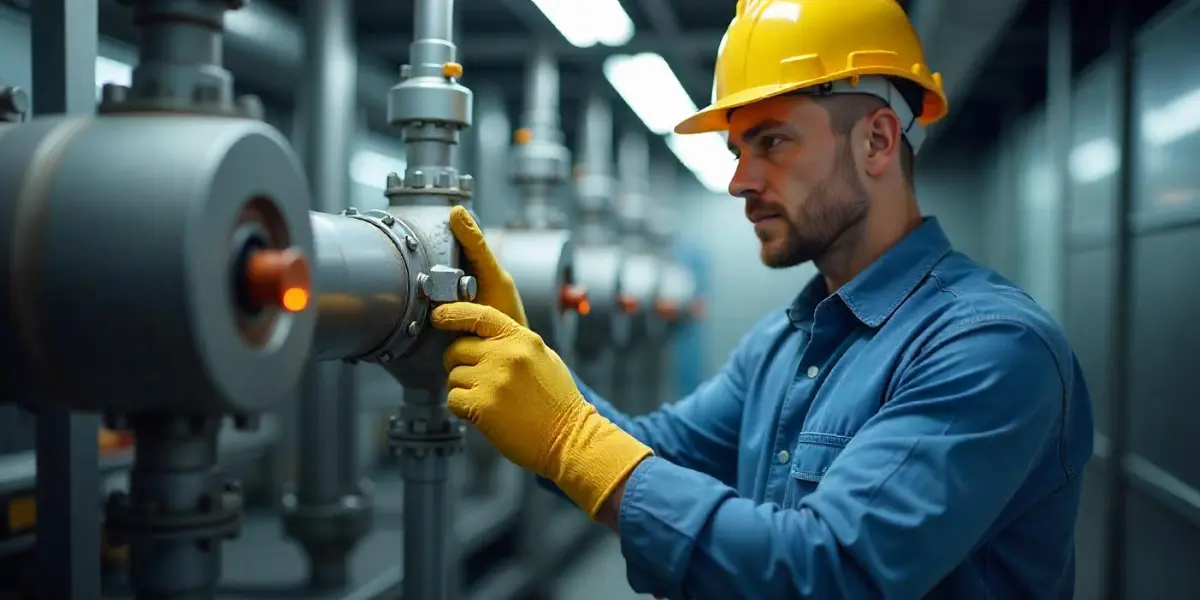
Many commercial properties, like industrial kitchens, hospitals, malls, restaurants, and large manufacturing facilities and complexes, use gas lines for their operations. These gas lines are very important for certain industries since their daily operations rely on them. Unlike transporting individual gas cylinders to use in their business, a gas line provides a consistent supply of gas, so they don’t have to halt their work to replace the gas cylinders every time they run out of gas. But installing a gas line is not an easy task, especially for commercial units, so knowing the safety standards can help you install them without any risks down the line. In this blog, we will discuss the importance of safety standards and how they help in the proper installation of gas lines, so read on!
What Is a Commercial Gas Line
Commercial facilities use different equipment or appliances to provide their services, and many of these systems need natural gas to work. These businesses can use commercial gas lines to supply gas to the equipment they need, be it for an industrial kitchen or a hospital. They are nothing but a network of pipes that are installed in a way that the natural gas reaches the appliance safely without any leaks. These commercial gas lines not only supply the gas but also control the distribution to equipment or appliances to reduce and prevent the risk of gas-related accidents
Benefits of Commercial Gas Line Installations
Improved Safety
Commercial facilities have many flammable appliances, which can lead to accidents if they are not properly handled. Gas lines are very secure and prevent such accidents by reducing the risk of gas hazards.
Reliable Supply
Businesses that rely on natural gas may pause their operations in case the traditional gas cylinders run out. So, installing a gas line provides them a consistent and reliable supply of gas with no interruptions to the work.
Cost-Saving Solution
When the gas usage is optimized with a commercial gas line, businesses save unnecessary costs since their energy usage is reduced, and so is their wastage of natural gas.
Increased Operational Efficiency
Commercial units like hotels or manufacturing facilities can improve their operational efficiency by installing a commercial gas line designed just for their premises.
Less Maintenance
Traditional gas cylinders need maintenance consistently because they need to be replaced and refilled, but with gas lines, these facilities can reduce their maintenance costs and keep their operations running.
Environmentally-Friendly
Commercial gas lines not only improve the safety, but they are also very environmentally friendly. This is because of the materials used to build them, their design, and the way they work.
Important Aspects of A Commercial Gas Line During Installation
High-Quality Gas Line Materials
Choosing just any gas line material can lead to safety risks because natural gas needs reliable materials. Select only the best materials for the design and installation of the gas line to prevent corrosion, leaks, etc
Regulatory Compliance for Gas Line
There are certain regulations and standards to be followed when installing a commercial gas line. These safety standards are designed to increase safety in commercial properties and prevent risks or accidents.
Swift Support for Emergencies
In case of unexpected gas line issues, make sure you get quick emergency support. By choosing a reliable gas line installation service provider, you can prevent small gas line issues before they turn into big risks.
Reliable Supply of Gas
While installing a gas line in a commercial property, every component should be checked so that you get a reliable supply of gas to your commercial equipment without any loose connections, pressure drop, or damage.
Custom Gas Line Design
Having a custom design for a gas line installation as per each industry or business can provide more safety and efficiency for the operations, since every commercial unit has different needs.
Why Safety Standards are Essential for Commercial Gas Line Installations
Legal Compliance
Commercial property owners who do not follow industry-compliant regulations for gas line installations may face legal consequences, penalties, or even lawsuits. This is why the safety standards should always be followed.
Preventing Gas Leaks
Gas line safety standards include regulations for installation, inspection, and maintenance regularly to reduce risks like gas leaks. These standards help commercial facilities prevent accidental fires, explosions, and property damage.
Operational Efficiency
Commercial gas lines that are installed and maintained well provide a reliable and consistent gas supply. The safety standards for gas lines make sure that they are serviced regularly, which increases operational efficiency.
Reducing Environmental Impact
Gas line standards help in preventing risks of gas leaks or explosions caused by natural gas, but they also have certain regulations on what material to use for the gas lines to reduce the overall impact on the environment.
Commercial Gas Pipeline Installation Safety Standards
Code Compliance
The gas pipeline installation be as per the compliance codes by the OISD (Oil Industry Safety Directorate), PNGRB (Petroleum and Natural Gas Regulatory Board), and other relevant national or local codes.
Material Selection
Since gas pipelines are used in various industries for different purposes, the materials used to build them must be suitable for that specific use. For example, industrial kitchens must use gas line materials that prevent corrosion.
Welding and Joining
The welders who build the gas lines are to be qualified under the API 1104, ASME BPV (Boiler and Pressure Vessel), and Section IX compliance codes, and should also be certified to handle the materials carefully.
Pressure Testing
The safety standards state that a gas line cannot be commissioned until it has undergone pressure testing. This testing process helps in identifying any gas leaks in the pipelines so a new one can be built.
Corrosion Protection
If the gas pipelines are used in industries that install them in underground or exposed environments, they should have a corrosion-free coating to prevent wear and tear and gas leaks underground.
Leak-Detection
Regularly inspecting the gas pipelines for any leaks is also a safety standard that helps in preventing any potential leaks before they cause explosions or gas-related accidents.
Emergency Shut-Off
Even though gas lines are secure, having an emergency shut-off valve in the installation can be beneficial. The safety standards also include that every emergency shut-off valve needs to be marked properly, and the staff should know how to use it in emergency situations.
Ventilation
The area where the gas line is installed must be well ventilated to prevent the buildup of gas, which can cause explosions or gas poisoning if the ventilation is ignored.
Training
Just installing the gas pipeline is not enough because the staff in the commercial facilities need to be trained on how to use the gas pipeline safely, or what they can do in emergency situations to prevent the risk of gas leaks and accidents.
Documentation
The gas line safety standards specify that proper documentation is to be maintained during the installation, and also during the testing and maintenance. This can help in proving the regulation compliance and is also helpful to know the condition of the gas lines.
Preventive Maintenancen
Performing preventive maintenance, which includes testing, inspections, etc, on a regular basis as per the safety standards, helps in addressing small issues in the gas lines before they become huge risks.
Conclusion
In conclusion, gas line safety standards are very helpful in designing, building, installing, and maintaining gas pipelines in commercial units across various industries. These standards include safety aspects that every commercial facility should follow to avoid penalties or legal consequences. More importantly, they increase safety in the premises and keep workers protected from any issues related to the gas pipelines.
FAQs
The main goal of being aware of the gas line safety standards is to identify any issues, stay compliant, and prevent serious fatalities in commercial facilities.
The safety standards of commercial gas line installation include, code compliance, proper material selection, certified welders, pressure testing, coating for corrosion resistance, leak detection, shut-off valve, training, documentation, ventilation, and preventive maintenance.
High-quality materials, quick support for emergency situations, regulatory compliance, reliable gas supply, and custom designing of the gas line network for each commercial property.