The Ultimate Guide to PNG vs LPG Gas Pipeline Systems
ProgasTech / 06 Mar 2025
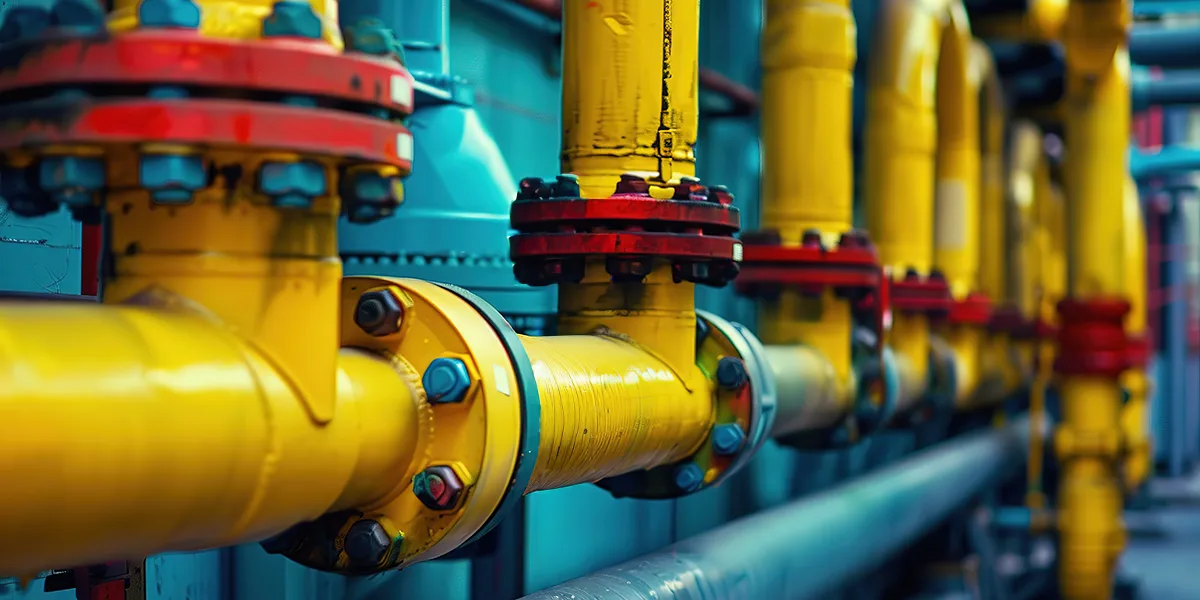
As the cities expand, choosing the right gas system for homes and businesses has become an important decision.
Whether you’re renovating your kitchen, building a commercial kitchen, or planning energy infrastructure for a new project, understanding the real differences in gas systems matters.
This guide breaks down everything you need to know about PNG vs LPG gas pipeline systems comparison, from how each works to costs, safety, maintenance, and which one might be right for you. Read on to make an informed choice with confidence.
What Are PNG and LPG Gas Systems?
Before exploring the pros and cons, understanding how these systems differ at the core helps you choose what fits your lifestyle and budget.
Let's clarify what we mean by each:
- PNG (Piped Natural Gas):A continuous supply of natural gas delivered through underground pipelines from a city gas network. It's clean-burning and convenient because it eliminates the need for cylinder refills.
- LPG (Liquefied Petroleum Gas): Stored in cylinders or a centralized LPG manifold system for larger buildings; this gas is delivered to your site periodically and connected via areticulated pipeline to appliances.
How PNG and LPG Are Delivered
The PNG gas pipeline vs LPG manifold system debate often starts with delivery infrastructure. Each delivery method has its own set of installation requirements and user experiences.
- PNG Delivery: Comes through underground pipelines laid by gas distribution companies (like GAIL and Bharat Gas). Once approved, the city gas network feeds your property continuously.
- LPG Delivery: Comes in cylinders or bulk storage tanks that must be replaced or refilled by a supplier as needed. In large setups, an LPG manifold feeds multiple cylinders into a pipeline.
Installation Processes: Step-by-Step
If you're wondering about the PNG vs LPG gas connection process and maintenance,here's what typically happens:
PNG Gas Connection Process
- Submit an application to a city gas distributor.
- Technical inspection of your property.
- Engineering design for pipeline routing.
- Laying and testing of the underground pipeline.
- Connection to appliances and certification.
Maintenance usually includes periodic leak testing and regulator checks by authorized technicians.
LPG Gas Pipeline Installation
- Select a certified LPG supplier.
- LPG cylinder or tank is installed.
- A reticulated pipeline is routed to appliances.
- Regulators, valves, and safety devices are installed.
- System testing before commissioning.
Maintaining an LPG system focuses on regular inspection of valves, regulators, and flexible hoses.
Cost and Safety Considerations
One of the biggest decisions revolves around PNG vs LPG gas installation cost and safety.
Installation Cost
In many residential setups, LPG can seem cheaper at first, but PNG often becomes more economical in the long run, especially for commercial kitchens and multi-unit buildings.
- PNG:Generally higher upfront due to pipeline laying and approvals, but costs are spread over long-term use.
- LPG:Typically, lower initial setup for stand-alone systems, but recurring cylinder costs add up.
Safety
Licensed professionals emphasize compliance with standards like IS codes to ensure safety in either system. Both PNG and LPG systems are safe when installed properly, but there are differences:
- PNG:Lower risk of leakage and explosions because it is lighter than air and disperses quickly
- LPG: Heavier than air and can accumulate in enclosed spaces if leaks occur, making proper installation and safety checks critical.
PNG vs LPG- Quick Comparison Table
| Feature | PNG | LPG |
|---|---|---|
| Supply Type | Continuous pipeline supply | Cylinder or bulk tank supply |
| Initial Installation Cost | Higher | Moderate to Low |
| Recurring Cost | Meter-based billing | Cylinder refill cost |
| Safety | Lighter than air | Heavier than air |
| Maintenance | Periodic inspection | Regular regulator & hose checks |
| Best For | Urban homes, large kitchens | Standalone homes, commercial kitchens without PNG access |
Performance in Residential and Commercial Settings
The choice between PNG and LPG for residential and commercial use depends on your energy demand and usage patterns. Each setting has unique demands, and evaluating daily usage helps choose the optimal system.
Residential Use
PNG: Ideal for high-use households, especially where gas usage is consistent (e.g., frequent cooking).
LPG: Great for smaller homes or places where gas use is occasional.
Commercial Use
PNG:Preferred for restaurants, hotels, and laundries since it offers an uninterrupted supply.
LPG:Still common in commercial kitchens but may require frequent cylinder changes or larger tank capacity.
Efficiency and Environmental Impact
Natural gas (PNG) burns cleaner than LPG and releases lower carbon dioxide emissions per unit of energy. It produces very little soot, smoke, or residue, which improves indoor air quality and keeps kitchens cleaner.
This makes PNG a preferred option for environmentally conscious projects. LPG, while slightly higher in emissions than PNG, still burns much cleaner than fuels like diesel or kerosene. It offers strong heat output and good efficiency, making it a practical and cleaner alternative fuel choice
Making the Right Choice for Your Needs
Choosing between PNG and LPG depends on a few key factors. This decision isn’t one-size-fits-all, but with the right information, you can confidently pick the system that fits you best.
- Usage frequency: High for PNG, variable for LPG.
- Budget: Consider installation plus ongoing gas costs.
- Space: PNG needs proper pipeline access; LPG needs safe cylinder or tank space.
- Safety and compliance: Both require certified installers and regular inspections.
Conclusion
Whether you’re comparing PNG vs LPG gas pipeline systems comparison for a home or business, both options deliver reliable cooking and heating fuel when installed correctly.
PNG offers convenience and continuous supply, while LPG provides flexibility and often lower initial investment.
Your choice should reflect your usage needs, budget, and space availability. Ultimately, proper installation, safety compliance, and regular maintenance make both systems efficient and safe energy solutions.
Ready for Expert Assistance?
Contact ProGas Tech for professional consultation and seamless installation of your gas system, be it PNG or LPG!
Call now or visit our site to get your tailored quote
Contact Now