Understanding LOT Systems Using Dry Type Vaporizers
ProgasTech / 11 Feb 2026
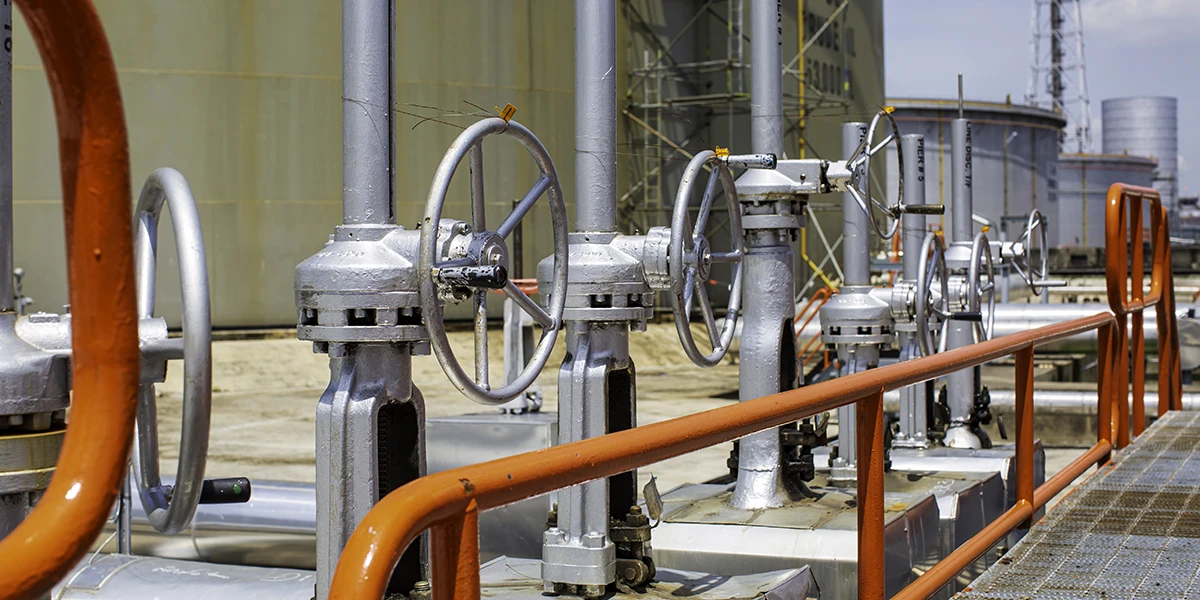
Liquefied gas supports many industrial operations, but it must be handled carefully to be used safely. In large facilities, liquid gas cannot be used directly and must be converted into gas form before distribution. LOT systems help manage this process in a safe and controlled way.
They allow gas to move smoothly from storage tanks to the point of use without interruptions. A dry type vaporizer plays an important role by using natural air heat to convert liquid gas into gas form. Understanding this system helps businesses improve safety, reduce handling effort, and maintain a steady gas supply for daily operations.
What is LOT System
A LOT system stores liquefied gas at very low temperatures inside a well-insulated tank. Keeping gas in liquid form saves space and allows large quantities to be stored safely. Instead of using many cylinders, gas is supplied from one central source, which reduces handling work and improves safety. These systems are widely used in industries, hospitals, food processing plants, and large commercial buildings where gas usage is continuous. The setup includes a storage tank, vaporizer, safety valves, pressure controls, and pipelines that work together to maintain steady gas flow.
Why Dry Type Vaporizers Matter
Dry type vaporizers are used to change liquid gas into gas form using natural heat from the air. They do not use water, fire, or electrical heaters, which makes them simple and reliable. The vaporizer has aluminum fins that absorb heat from the surroundings.
Liquid gas flows through internal tubes and absorbs this heat, slowly turning into gas. This controlled change helps maintain steady pressure.
Because the design is simple and has fewer parts, maintenance needs are low. These vaporizers are well suited for outdoor installation and long-term use.
LOT System Operation and Gas Flow
The LOT system working principle is based on safe storage and controlled gas release. Liquefied gas is stored in a well-insulated tank at very low temperature. When gas is needed, the liquid flows from the tank to the vaporizing unit. As it passes through the vaporizer, it absorbs heat from the surrounding air and slowly changes into gas without using fire, water, or electrical heaters. Pressure regulators control the flow according to demand, while safety valves prevent excess pressure. The gas then moves through pipelines to equipment or process points, allowing smooth and continuous operation.
Understanding Cryogenic Gas Vaporization
Cryogenic gas vaporization is the process of changing extremely cold liquid gas into gas form. Liquefied gases are stored at temperatures far below normal atmospheric levels to keep them stable. When the liquid passes through a vaporizer, it absorbs heat from the air.
This heat causes the liquid to expand and turn into gas. The process must happen slowly to prevent pressure buildup. Controlled vaporization protects pipelines, valves, and connected equipment. This careful temperature change is essential for safe and reliable gas delivery.
Role in Industrial Gas Supply Systems
LOT systems form a strong foundation for industrial gas supply systems that need uninterrupted gas flow. Industries such as food processing, manufacturing, and chemical plants depend on gas for daily operations.
Centralized gas supply reduces the need for frequent cylinder replacement and helps maintain cleaner work areas. Gas can be distributed across large facilities through pipelines, supporting multiple use points at the same time. This setup helps businesses maintain production schedules and manage gas usage efficiently.
Where Dry Type Vaporizers Are Used
Dry type vaporizer applications are common across many sectors. They are used in factories, hospitals, hotels, laboratories, and commercial kitchens. These locations need steady gas supply without sudden pressure drops.
These vaporizers are usually installed outdoors where they can absorb enough heat from the air. With correct sizing, they perform well even during high-demand periods and long operating hours.
Safety and Maintenance Benefits
Safety is one of the key strengths of LOT systems. Pressure relief valves protect against overpressure, while regulators keep gas flow stable.
Maintenance is simple and mostly involves regular inspection of fins, valves, and pipelines. Since there are no burners or water systems, the risk of corrosion is lower. Proper handling and periodic checks help extend system life and reliability.
Choosing the Right System
Choosing the right LOT system depends on daily gas demand, available space, weather conditions, and future expansion plans. Proper sizing is important to avoid pressure loss, flow issues, or unnecessary strain on the system.
Storage capacity and vaporizer size should match actual usage, not just short-term needs. Professional guidance helps select the right layout and components for safe operation. A well-planned system supports steady performance, reduces operating issues, and helps businesses grow without frequent changes or added costs.
Conclusion
LOT systems using dry type vaporizers offer a safe and practical solution for handling liquefied gas in industrial and commercial settings. Their simple working method, low maintenance needs, and stable gas output make them a dependable choice.
Understanding how gas is stored, vaporized, and supplied helps businesses make informed decisions and avoid operational risks. With proper design and installation, these systems support smooth operations and long-term growth.
Planning a new gas setup or improving an existing one? ProGas Tech can help you build a safe, reliable LOT system matched to your operational needs. Contact us today.