What is a Brass Ball Valve: Everything You Need to Know
ProgasTech / 17 Nov 2025
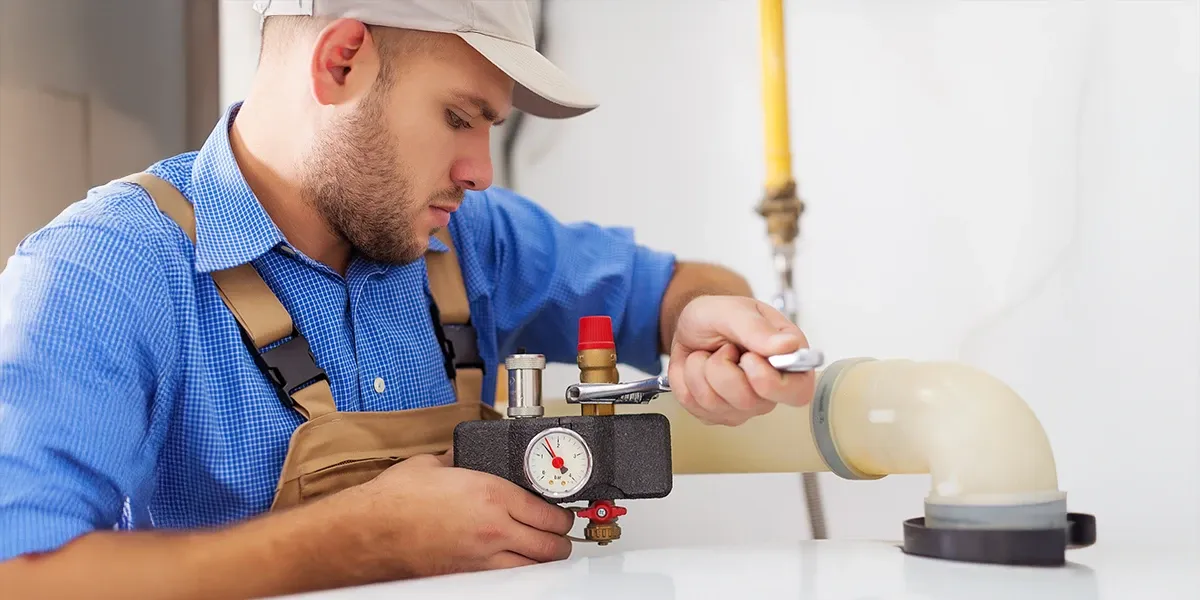
With the right valve in place, the results are big in the complex world of fluid control, due to its ability to facilitate system efficiency and prevent operational setbacks.
As there are various types of valves available, the brass ball valve stands out due to its high reliability, durability, and precise flow regulation. From plumbing to complex industrial processes, they play a major role in the smooth functioning of the applications.
In this blog, we dive into the reasons why a brass ball valve is one of the most trusted choices in fluid handling technology.
How does a brass ball valve work?
The working mechanism of a brass ball valve is simple. Inside the valve, there is a spherical ball with a hole at the center, commonly referred to as a bore. Upon turning the valve handle to 90 degrees, the brass ball rotates to align the spherical ball hole with the pipeline, allowing fluid or gas to flow freely. When the handle is turned back to 90 degrees, the ball rotates such that the solid part blocks the pipe, to stop the flow completely.
The brass ball valve seats, which are usually made of a material called PTFE, help create a strong, tight seal around the ball to prevent any potential leaks when the valve is closed. This quarter-turn operation ensures that the brass ball valve is easy to operate and provides a reliable shut-off and flow control.
Types of brass ball valves
There are several types of brass ball valves available, each of which is designed to meet specific requirements and applications. Here are a few:
Two-way brass ball valves
This is the most common type of brass ball valve and works by allowing or blocking flow in a straight line. It is used for general on/off control in residential and commercial plumbing.
Three-way brass ball valves
These come with 3 ports arranged in the form of a T or L shape, which these valves can help redirect the flow between different pipes or mix two flows.
Full-port brass ball valves
In this type, the opening within the ball is the same size as the pipe, reducing any resistance to flow. These types of valves are ideal for low-pressure loss and high flow capacity applications.
Reduced port brass ball valves
These valves have a comparatively smaller ball opening than the pipe size, which makes them suitable for general plumbing purposes where flow reduction is acceptable.
Forged brass ball valves
These types of valves are made from forged brass, which means better strength and durability. They are commonly used in systems that need high-pressure ratings and robustness.
Other types of brass ball valves include standard brass ball valves, high-pressure brass ball valves, and so on
Advantages of brass ball valves
There are various advantages to a brass ball valve, which makes it a valuable component in the fluid system:
Easy to use
The quarter-turn handle enables users to open or close the valve quickly with the least effort.
Low flow resistance
When the brass ball valve is open, it provides only minimal hindrance to the fluid flow to help maintain system efficiency.
Versatility
Brass balls are ideal for various fluids, including air, water, oil, gas, and mild chemicals across a range of temperatures and pressures.
Tight sealing
The ball and valve seats together create a leak-proof seal to prevent fluid loss and improve safety.
Durability
Brass ball valve is strong, resists corrosion, and ensures that these valves have better longevity when used with water, oil, and gas.
Common applications of brass ball valves across industries
The strong versatility and reliability of brass ball valves make them one of the most widely used components in valves across various industries:
Gas and fuel systems
Helps manage the flow of natural gas, propane, and other fuels safely and efficiently.
Marine and specialized equipment
Used in precision instruments and boats to support reliable flow control.
Residential plumbing
Supports water control in household supply chains, faucets, and heating systems.
Heating, ventilation, and air conditioning (HVAC)
Helps regulate the flow of hot and chilled water in heating and cooling systems.
Industrial processes
Used in manufacturing equipment, chemical processing plants, and water treatment facilities to effectively control various types of liquids and gases.
How to choose the right brass ball valves
Several factors must be considered when selecting the right brass ball valves. Here’s what you need to know:
Quality and certification
Ensure to select brass ball valves from trusted manufacturers who adhere to industry standards and certifications for optimal safety and performance.
Pressure and temperature ratings
The valve must be able to withstand the maximum pressure and temperature of the system.
Operation mode
As per the system requirements, the valve operation mode must be decided, that is, manual or automatic.
Valve size and port type
The valve size must suit the pipe diameter, with which you can decide between full-port or reduced-port valves.
Material compatibility
The brass ball valve must be suitable for the fluids and gas control, and the seals/seats must be chemically compatible.
Brass ball valve safety and maintenance: What you should know
To ensure the longevity of the brass ball valve so that it continues to have high performance, certain care and safety practices must be followed. These include:
Proper installation
Ensure that the valves are installed correctly with the right tools and methods to prevent any unexpected risks or leaks.
System compatibility
Do not use brass ball valves with fluids or conditions that can erode or damage them.
Maintenance
In the case of leaks or damage, replace the seals or seats on time, even though brass valves require less maintenance.
Routine operation
Ensure to regularly open and close the valves to prevent sticking or seat damage.
Regular inspection
Look for corrosion, operation flow, and leaks at regular intervals to confirm its performance quality.
Excessive force
Make sure to turn the handle gently, as using it beyond the stop can potentially damage the valve.
| Cost | Generally low | High initial cost |
| Weight | Light | Heavy |
| Durability | Durable but less suitable for extreme pressure and temperature | Durable under high pressure and temperature |
| Temperature Resistance | Effective up to 200 degree Fahrenheit | Effective for higher temperatures (suitable for over 1000 PSI) |
| Seal & Leak | Softer material for easy sealing | Tough material with seals |
| Resistance | Sealing | Blow-off proof |
| Applications | Residential plumbing, moderate industrial areas, HVAC | High-pressure industrial systems, marine applications, & chemical processing |
| Maintenance | Requires less frequent maintenance in moderate environments | Needs regular maintenance |
Conclusion
The significance of brass ball valves is evident in their widespread use across various industries and purposes. As the key components in fluid control systems, they offer durability, easy operation, reliability, and performance.
The strong resistance of the brass ball valve against corrosion and its ability to provide a tight shut-off make it popularly used across a range of industries. However, to select the right brass ball valve, a range of factors has to be considered for long-lasting service, smooth, and safe operation.
Access high-quality brass ball valves along with top expert guidance for fluid control needs with ProGas Tech. Find the ideal valve solution tailored to your applications today!