Gas Leaks: Causes, Warning Signs, and How to Keep Your Family Safe
ProgasTech / 03 Mar 2026
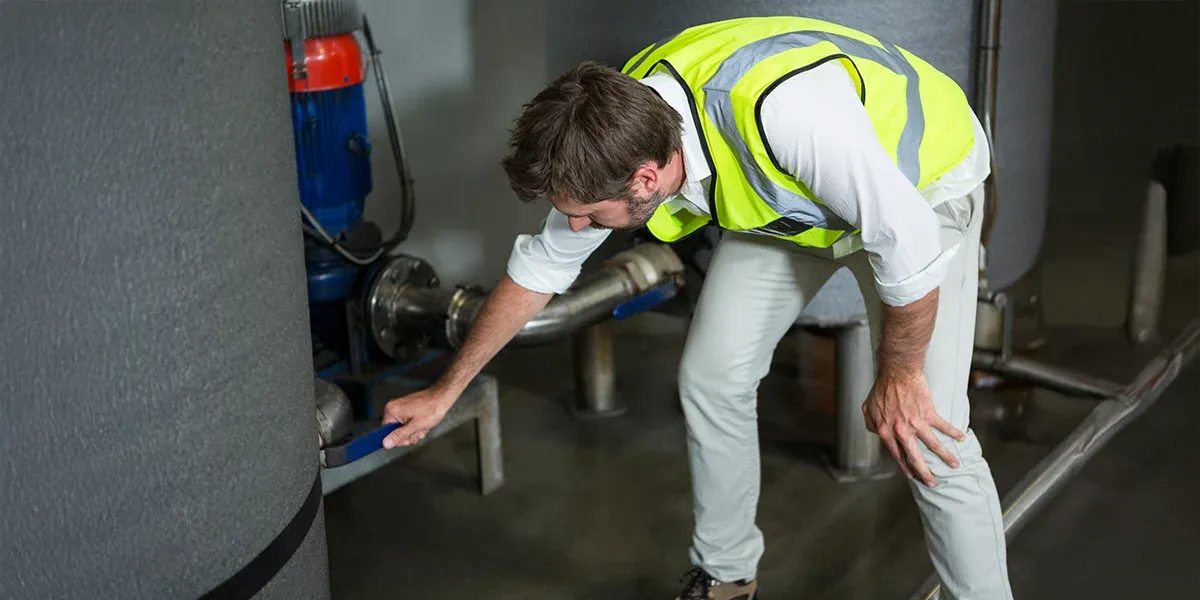
Gas leaks are a serious threat that often goes unnoticed until they become dangerous. They can affect your family’s health, safety, and the integrity of your home. Understanding the sources of gas leaks, spotting the warning signs early, and knowing the right steps to take in an emergency can make a significant difference.
In this blog, you will find practical guidance to manage these risks effectively. Following these tips can help you create a safer home, protect your loved ones, and handle emergencies calmly. Awareness and preparedness are the best tools to prevent accidents.
Gas Leak Causes
Gas leaks can happen for many reasons. Poorly installed pipelines or damaged connectors can let gas escape. Old or corroded appliances, such as stoves, heaters, or water boilers, may also leak. Accidental damage during home renovations or drilling can puncture gas lines.
Sometimes, pressure changes in the supply system or faulty regulators can create leaks. Even small cracks or loose fittings can lead to gas escaping into your home. Understanding these causes can help you take preventive steps and avoid dangerous situations before they get worse.
Gas Leak Warning Signs
Recognizing a gas leak early is important. One of the first signs is a strong, unusual smell. Natural gas is odorless, but companies add a scent similar to rotten eggs for safety. Hissing sounds near gas appliances or pipelines may indicate a leak.
You may notice yellow or flickering flames on gas stoves instead of the normal blue. Physical symptoms like headaches, dizziness, nausea, or breathing difficulties can also appear if gas accumulates. Being aware of these warning signs helps you act quickly and keep your family safe.
How to Detect a Gas Leak
Gas leaks can usually be detected by smell because mercaptan is added to the gas. Start with a smell check in areas with gas appliances. Listen for hissing sounds near pipelines, valves, or connectors. You can also use soapy water to test for leaks on pipes. Bubbles will form if gas is escaping.
Modern homes may have gas detectors installed, which provide an extra layer of protection. Regular maintenance and inspections by qualified professionals can also help detect hidden leaks early. Simple vigilance can prevent accidents and give you peace of mind.
Gas Leak Health Risk
Gas leaks can cause serious health risks. Breathing in gas can cause headaches, dizziness, nausea, fatigue, and difficulty breathing. Prolonged exposure may lead to more severe issues such as loss of consciousness or organ damage.
In high concentrations, gas can reduce oxygen levels in your home, creating life-threatening situations. Knowing these risks helps you take gas safety seriously and act quickly when you suspect a leak.
Gas Leak Safety Tips
Keeping your home safe from gas leaks starts with simple actions. Always have appliances installed and checked by professionals. Turn off the gas supply when appliances are not in use. Ensure your home has proper ventilation to prevent gas buildup.
Install gas detectors in key areas like kitchens or near boilers. Regularly inspect pipes, connectors, and appliances for damage or wear. Educate your family about the warning signs and how to respond. These small, consistent steps help reduce risk and make your home a safer place.
Gas Leak Emergency Steps
If you suspect a gas leak, act quickly. Do not turn on electrical switches or use open flames. Open windows and doors to ventilate the area. Evacuate everyone from the home immediately and call your gas supplier or emergency services from a safe place.
Avoid using phones inside the house. Do not try to fix the leak yourself unless you are trained. Follow the guidance of professionals to handle the situation safely. Quick and calm actions can prevent injuries, fires, or explosions and protect your family.
Conclusion
Gas leaks are dangerous, but knowledge and preparation can keep your home safe. By understanding the causes, recognizing warning signs, and following simple safety tips, you can protect your family from harm. Regular maintenance and careful use of gas appliances make a big difference. Remember, acting quickly during an emergency is crucial to avoid accidents . Taking small steps today can prevent a big problem tomorrow
If you suspect a gas leak, Contact Progas tech right now, check your appliances and make your home safer for everyone.